The Role of Technology in Modern Windshield Replacement How Innovation is Shaping Safety and Efficiency
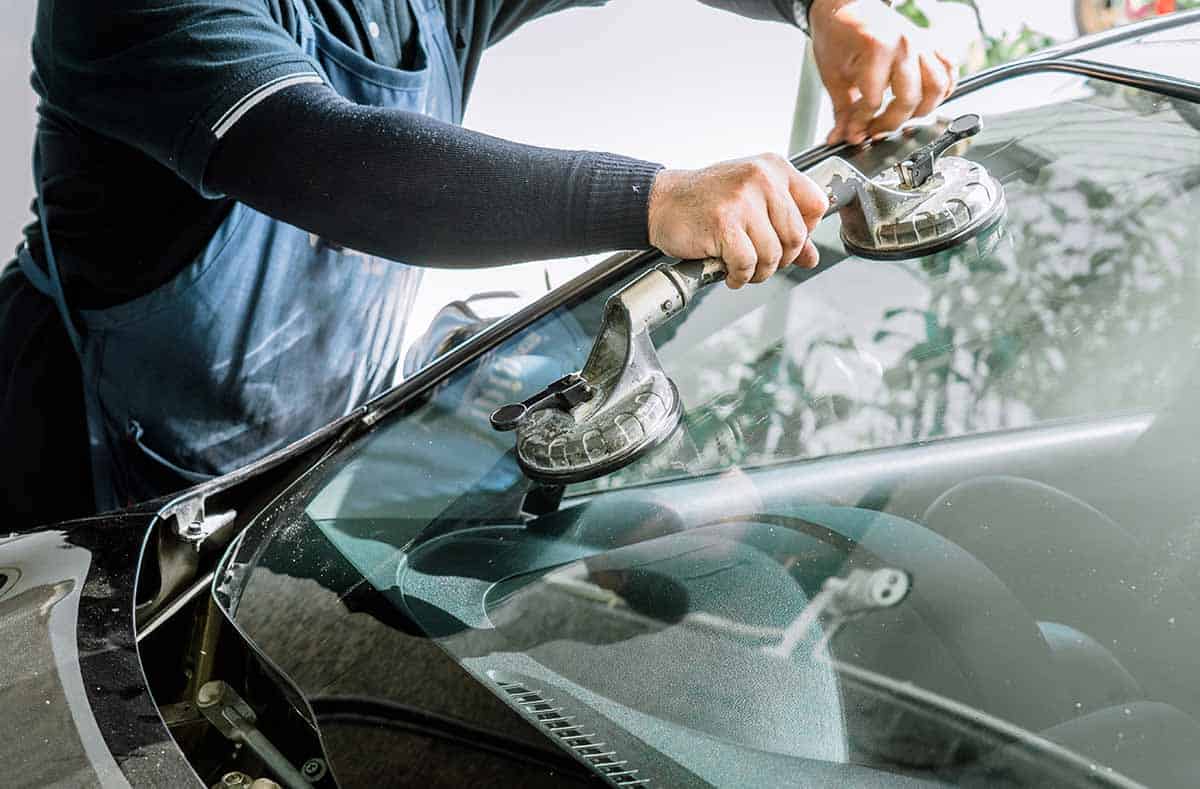
Windshield replacement used to be a straightforward job: remove the old glass, install the new one, and you were good to go. However, in today’s world, technology has transformed this process into something far more intricate and precise. From advanced adhesive systems to sensors and cameras embedded in windshields, technology is now playing a critical role in how we repair and replace auto glass.
If you’ve ever had a windshield replaced, you might have noticed how much the process has evolved over the years. What was once just about replacing a piece of glass is now a sophisticated process that involves a mix of engineering, precision, and cutting-edge tech. Here’s a deep dive into how modern technology is revolutionizing windshield replacement, making it safer, faster, and more efficient than ever before.
1. Advanced Adhesive Technology: Stronger, Faster, Safer
One of the most significant advancements in windshield replacement has been the development of high-performance adhesives. In the past, a windshield might have been held in place by simple rubber gaskets or traditional glue. But today’s auto glass professionals use urethane adhesives, which offer far superior bonding strength and durability.
These adhesives ensure that the windshield is securely bonded to the vehicle’s frame, which is crucial for the structural integrity of the car. In the event of a crash, especially a rollover, the windshield plays a key role in keeping the roof from caving in. Strong adhesives prevent the windshield from dislodging and allow the vehicle to maintain its structural integrity. Additionally, urethane adhesives are designed to set quickly, allowing for faster turnaround times on windshield replacements.
Moreover, quick-dry adhesives mean that the curing time has significantly decreased, reducing wait times from what used to be a day or more to just a few hours. Some adhesive products now allow you to drive your car within 1-2 hours of installation, which is a game-changer for anyone in a time crunch.
2. Windshields with Embedded Sensors and Cameras
Another massive leap forward in windshield technology has been the integration of advanced driver-assistance systems (ADAS). These systems, which include features like lane departure warnings, forward-collision alerts, automatic emergency braking, and adaptive cruise control, rely on sensors and cameras that are often mounted in or around the windshield.
When replacing a windshield, technicians must carefully remove and reinstall these sensors and cameras to ensure that the system continues to function correctly. In the past, the replacement process might have been simple, but today, these systems require precise calibration and realignment to ensure that everything is working as it should.
For example, the camera calibration process involves aligning the camera to the manufacturer’s specifications so that the lane-departure warning system can detect the vehicle’s position within the lane. Failure to do this can lead to false alarms or, even worse, the system not detecting a potential collision.
As more vehicles incorporate these technologies, it has become crucial for auto glass shops to invest in specialized equipment and training. Calibration equipment, which can cost thousands of dollars, allows technicians to fine-tune the cameras and sensors after the windshield has been replaced, ensuring that your ADAS features continue to operate seamlessly.
3. Mobile Windshield Replacement: Convenience at Your Doorstep
One of the most notable impacts of technology on windshield replacement has been the rise of mobile services. With the help of modern communication tools, GPS, and efficient scheduling software, mobile windshield replacement has become a popular option for those who want to avoid the hassle of going to a repair shop.
Using mobile apps or websites, customers can easily schedule appointments, track their technician’s arrival, and even receive reminders about when their windshield is due for replacement. The convenience factor cannot be overstated—especially when you consider that a windshield replacement can often be done at your home or office while you go about your day.
Thanks to mobile technology, windshield replacement has become more accessible and streamlined. Technicians arrive at your location with the necessary tools, equipment, and often, pre-cut windshields, which allows for a quick and efficient replacement process. For people with busy schedules, this is an absolute game-changer.
4. Smart Glass Technology: The Future of Windshields
We’re also seeing the rise of smart glass technology, which is transforming how windshields function beyond just protecting you from the elements. Smart windshields, often equipped with features like heads-up displays (HUDs), are becoming more common in high-end vehicles. These windshields project key driving information—like speed, navigation directions, and even safety alerts—directly onto the glass, allowing drivers to keep their eyes on the road.
Another exciting development in smart glass is photochromic windshields. These windshields automatically adjust their tint based on the brightness of the outside light. For example, when you drive into bright sunlight, the windshield darkens to reduce glare. At night, the glass becomes clear again, providing better visibility. This kind of adaptive technology is already being tested and could soon be standard in many vehicles.
As smart glass technology continues to advance, the windshield is no longer just a passive barrier; it’s becoming an active part of the driving experience, enhancing comfort and safety.
5. 3D Printing and Precision Cutting: Customization and Speed
The use of 3D printing in the auto glass industry is another technological breakthrough that’s reshaping windshield replacement. While it’s not yet common for entire windshields to be printed (due to the complexities of glass production), 3D printing is being used to create custom adhesive spacers, gaskets, and even tools needed for installation.
In addition, precision laser cutting technology is making it possible to create windshields that fit more accurately than ever before. These cutting-edge technologies ensure that every replacement windshield fits seamlessly into your car, reducing the chances of leaks or improper installation.
6. Digital Inspection and Reporting
Gone are the days when technicians simply eyeballed windshield damage to determine whether it was repairable. With the help of digital imaging and diagnostic tools, technicians can now perform digital inspections of your windshield before recommending a repair or replacement.
These tools use cameras and sensors to create a precise map of the damage, allowing for more accurate assessments. Technicians can then show you detailed images of the damage, helping you understand why a replacement might be necessary and ensuring complete transparency.
Conclusion: A Safer, Smarter, Faster Future
As we’ve seen, technology is revolutionizing every aspect of Phoenix windshield replacement replacement, making the process safer, more efficient, and more convenient than ever before. From cutting-edge adhesives that bond your windshield with greater strength to advanced sensors that require precise calibration, technology is ensuring that your replacement is up to the highest standards of safety and performance.
Whether it’s the convenience of mobile services, the precision of laser cutting, or the future of smart glass, one thing is clear: the role of technology in windshield replacement is only going to grow. And that’s great news for all of us who rely on our vehicles to keep us safe on the road.
So the next time you need a windshield replacement, remember: it’s not just about replacing a piece of glass—it’s about embracing the innovations that are making our driving experience safer, smarter, and more efficient than ever before.