How to Choose the Right Kimono for Your Rental Experience
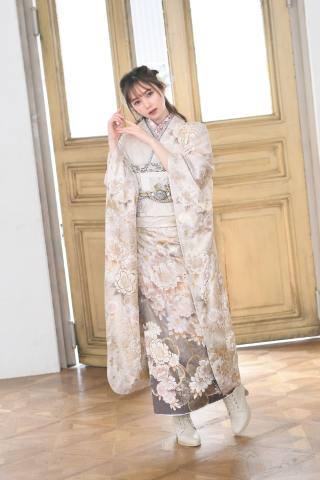
As you prepare for your kimono rental experience, you’re probably wondering where to start. With so many styles and options available, it can be overwhelming to choose the right one. But don’t worry, with a little guidance, you’ll be able to select a kimono that not only fits comfortably but also makes you feel confident and stylish. From understanding the different types and styles to considering the occasion and season, there are several factors to take into account. Let’s break it down and explore the key considerations that will help you make the perfect choice.
Understanding Kimono Types and Styles
Your kimono journey begins with understanding the diverse types and styles that have evolved over centuries.
You’ll find kimonos categorized into three main types: furisode, kiyomizu, and tsukesage. Furisode kimonos are the most formal, featuring long, flowing sleeves and intricate designs.
Kiyomizu kimonos are less formal, often worn for casual occasions or as a souvenir. Tsukesage kimonos fall in between, suitable for both formal and semi-formal events.
Within these categories, you’ll discover various styles, each with its unique characteristics.
The yukata, for instance, is a casual, lightweight kimono perfect for summer festivals or relaxation. The hikizuri is a more formal, trailing kimono worn by geishas or for special occasions.
You’ll also find kimonos with different fabrics, patterns, and designs, such as the subtle, elegant shibori or the vibrant, bold komon.
Understanding these differences will help you choose the perfect kimono for your rental experience, ensuring you look and feel authentic and confident.
Considering the Occasion and Season
With the kimono type and style in mind, it’s essential to consider the occasion and season when making your selection.
You’ll want a 振袖 豊橋 that’s appropriate for the event or celebration you’re attending. For instance, if you’re attending a traditional Japanese wedding or tea ceremony, you’ll want a more formal, traditional kimono. On the other hand, if you’re attending a summer festival or outdoor event, a lighter, more casual kimono would be suitable.
Seasonality is also crucial. In the spring and summer, you’ll want kimonos made from lighter, breathable fabrics such as cotton or linen.
In the fall and winter, opt for kimonos made from warmer, heavier fabrics like wool or silk. Don’t forget to consider the color palette too – pastel shades are perfect for spring, while deeper, richer tones are suitable for fall and winter.
Ultimately, choosing the right kimono for the occasion and season will ensure you look and feel confident and comfortable throughout your rental experience.
Measuring for a Comfortable Fit
Now that you’ve narrowed down the type of kimono and considered the occasion and season, it’s time to focus on finding a comfortable fit.
You’ll want to take your measurements to ensure the kimono isn’t too tight or too loose. Start by measuring your height and weight, as these will affect the length and width of the kimono.
Take note of your sleeve length, as kimonos can have varying sleeve lengths. You should also measure around your natural waistline, as this will affect the fit of the obi (sash).
When taking your measurements, make sure to stand up straight and relax your shoulders. You can use a flexible measuring tape to get accurate measurements.
Compare your measurements to the kimono rental company’s size chart to determine the best fit. If you’re still unsure, don’t hesitate to contact the company for guidance.
Selecting the Right Fabric and Color
The world of kimono fabrics is a rich tapestry, offering a diverse range of textures, weaves, and colors to choose from.
You’ll find fabrics that shimmer, fabrics that rustle, and fabrics that drape elegantly.
When selecting a kimono, consider the season and occasion.
For summer, opt for lightweight fabrics like cotton, linen, or synthetic blends that will keep you cool.
In winter, choose heavier fabrics like wool or velvet to keep you warm.
For formal occasions, choose kimonos with intricate designs and patterns, which will make a statement.
For casual events, simpler designs and solid colors are suitable.
Consider your skin tone and hair color when selecting a kimono color.
If you have a cool skin tone, look for kimonos with blue or green undertones.
If you have a warm skin tone, opt for kimonos with red or orange undertones.
Don’t be afraid to experiment and try on different fabrics and colors to find the one that makes you feel confident and comfortable.
Adding the Finishing Touches
As you’ve narrowed down your kimono selection, it’s time to focus on the finer details that will elevate your overall look.
These subtle touches can make a significant difference in your overall appearance and rental experience.
Start by considering the obi, the sash that ties around your waist.
Opt for a style that complements your kimono’s design and color. You can choose from a variety of obi styles, such as the traditional wide obi or the more modern, slim obi.
Make sure it’s not too loose or too tight, as this can affect the overall fit of your kimono.
Next, think about the accessories that will complete your look.
You’ll need zori, traditional Japanese sandals, or geta, wooden sandals, to wear with your kimono.
Add some subtle jewelry, such as a simple necklace or earrings, to enhance your overall appearance.
Finally, don’t forget to style your hair in a traditional Japanese updo to complete your look.
Conclusion
Now that you’ve considered the occasion, season, and your measurements, you’re ready to rock that kimono! Remember to balance your look with a coordinating obi, traditional sandals, and subtle jewelry. With these tips, you’ll confidently stroll into your event, feeling comfortable and stylish in your perfectly chosen kimono. Go ahead, take a bow – you’ve earned it!