Flashing Check Engine Light in Little Rock What It Means and What to Do
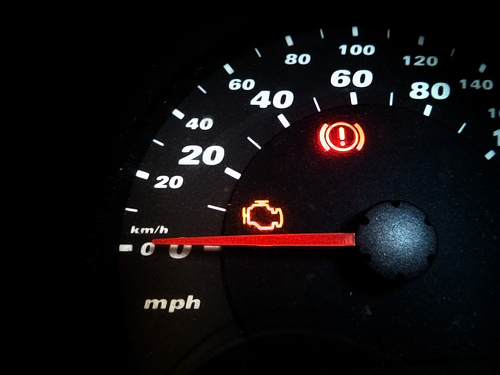
One of the most concerning sights for any car owner is the dreaded check engine light (CEL). This small dashboard warning can send anyone into a panic, especially when it starts flashing rather than staying on steadily. If you’re driving around Little Rock and notice your check engine light blinking, it’s important to take immediate action. A flashing check engine light often indicates a severe engine misfire or another critical issue that could lead to serious engine damage if not addressed quickly.
In this article, we’ll explore what a flashing check engine light means, why it occurs, and what you should do next if you’re in Little Rock.
What Does a Flashing Check Engine Light Mean?
A steady check engine light is a sign that there’s a non-urgent issue with your vehicle, but a flashing check engine light signals that you have a serious problem that needs immediate attention. Essentially, the vehicle’s Engine Control Module (ECM) has detected a problem that is affecting the engine’s performance and could potentially damage it further.
Why Does the Check Engine Light Flash?
The flashing of your check engine light usually indicates an engine misfire or a malfunction in one of the critical systems that ensure the engine runs smoothly. When the engine misfires, it can cause unburned fuel to be sent into the exhaust system, potentially leading to damage to the catalytic converter, an expensive component responsible for controlling harmful emissions.
Here are the most common causes of a flashing check engine light:
1. flashing check engine light Little Rock Misfire
An engine misfire occurs when one or more cylinders in the engine fail to ignite properly. This can be caused by a number of issues, including:
-
Faulty spark plugs or wires: Spark plugs that are worn out or damaged can cause misfires, disrupting the combustion process.
-
Fuel delivery issues: Problems with the fuel injectors or the fuel pump can cause the engine to misfire because the correct amount of fuel is not being delivered to the engine.
-
Ignition coil issues: A bad ignition coil can prevent proper spark, causing a misfire and triggering the flashing light.
2. Failed Catalytic Converter
The catalytic converter helps reduce harmful emissions by converting carbon monoxide and other pollutants into less harmful substances. If your vehicle’s engine is misfiring, it can send unburned fuel into the exhaust system, which can quickly damage the catalytic converter. This is why it’s important to address the flashing check engine light immediately to avoid costly repairs.
3. Faulty Oxygen Sensors
The oxygen sensors in your vehicle monitor the amount of oxygen in the exhaust gases and send this information to the engine control unit (ECU). If the oxygen sensor is malfunctioning, it can lead to poor engine performance, fuel inefficiency, and potentially an engine misfire, triggering the flashing CEL.
4. Overheating Engine
If your engine is overheating, it could be due to issues with the cooling system, such as a malfunctioning thermostat, a faulty radiator, or a leaking hose. Overheating can cause immediate damage to your engine and often leads to a flashing check engine light.
5. Vacuum Leaks
A vacuum leak can cause an imbalance in the air-fuel mixture in your engine, leading to poor performance and misfires. These leaks occur when hoses that carry air into the engine become cracked, loose, or disconnected.
6. Fuel System Problems
If there’s an issue with the fuel system, such as a clogged fuel filter or faulty fuel injectors, it can cause the engine to misfire and trigger the flashing light. The fuel system is critical for providing the proper mixture of fuel and air to your engine for combustion.
Why You Shouldn’t Ignore a Flashing Check Engine Light
If your check engine light is flashing, you should not ignore it. Unlike a steady check engine light, which may signal a minor issue, a flashing light often indicates a problem that could cause further damage to your vehicle if left untreated.
One of the most serious consequences of a flashing check engine light is the potential for catalytic converter failure. If unburned fuel is sent into the exhaust system and reaches the catalytic converter, it can overheat and become severely damaged. Repairing or replacing a catalytic converter is typically one of the most expensive repairs you can make on a vehicle, often costing $1,000 to $2,500 or more, depending on the make and model.
Additionally, continued driving with a misfiring engine can lead to further engine damage and decreased performance, meaning you could end up paying for a much larger repair than if you had addressed the flashing light right away.
What Should You Do When Your Check Engine Light is Flashing in Little Rock?
If you’re in Little Rock and notice a flashing check engine light, take the following steps immediately:
1. Pull Over Safely
If the light starts flashing while you’re driving, pull over as soon as it’s safe to do so. Driving with a flashing check engine light could cause further damage to the engine, particularly if the issue is a severe misfire.
Once you’ve stopped the car, turn off the engine and give it a moment to cool down before trying to restart it. If the vehicle seems to run normally after the restart, drive carefully to a nearby repair shop. If the car is acting erratically, it’s best to call a tow truck to prevent further damage.
2. Get the Engine Diagnosed
The next step is to take your vehicle to a trusted auto repair shop in Little Rock. They will use a diagnostic scanner to read the error codes from your vehicle’s ECU. This will help pinpoint the exact cause of the flashing check engine light.
Diagnostic tests typically cost $75 to $100, but this is a small price to pay to avoid more expensive repairs down the line.
3. Address the Issue Promptly
Once the problem has been identified, work with your mechanic to get the issue resolved quickly. Whether it’s replacing spark plugs, fixing a vacuum leak, or repairing a faulty fuel injector, taking swift action is crucial to prevent further engine damage and to ensure your car runs safely.
4. Avoid Driving the Car If Possible
If your vehicle is showing signs of a misfire, overheating, or other major engine issues, avoid driving it unless absolutely necessary. Continued operation of the vehicle with a flashing check engine light can exacerbate the problem and make repairs more costly.
Finding a Reliable Mechanic in Little Rock
If you’re looking for a trusted mechanic in Little Rock to help with your flashing check engine light, consider looking for a shop that specializes in engine diagnostics and repairs. A good mechanic will offer a detailed diagnosis, explain the problem in layman’s terms, and provide an estimate for repairs.
Check reviews, ask for recommendations from friends or family, and ensure the shop has experience working with your vehicle’s make and model.
Conclusion
A flashing check engine light in Little Rock should never be ignored. While it can be alarming, understanding that it typically signals a serious engine issue that requires immediate attention can help you take the necessary steps to prevent further damage. Whether it’s a simple spark plug replacement or something more serious like a misfire or catalytic converter failure, timely repairs can save you from costly and more extensive damage.
If you notice a flashing check engine light, stop driving, get the car diagnosed, and address the issue promptly with the help of a reputable mechanic. Your vehicle will thank you, and your wallet will too!