Alfalfa Hay Buying Tips From Small Orders to Bulk Purchases
When it comes to buying alfalfa hay, you’re not just looking for a product – you’re making an investment in your animals’ health and well-being. Whether you’re placing a small order or stocking up in bulk, it’s crucial to prioritize quality, price, and delivery options. But where do you start? Do you go local, or explore online marketplaces? How do you ensure you’re getting the best bang for your buck? You’re about to find out – and by the time you’re done, you’ll be well-equipped to make a purchase that meets your unique needs and keeps your animals thriving.
Understanding Alfalfa Hay Quality
Understanding the quality of Alfalfa hay is crucial, and it all starts with the basics.
You’ll want to identify the hay’s maturity stage, as it directly related to its nutritional content. Alfalfa hay can be classified into three maturity stages: early bloom, mid-bloom, and late bloom.
Early bloom hay is typically more expensive, but it’s also higher in protein and energy-dense. Mid-bloom hay is a good balance between quality and price, while late bloom hay is generally lower in quality and nutritional value.
You should also inspect the hay’s appearance, smell, and texture.
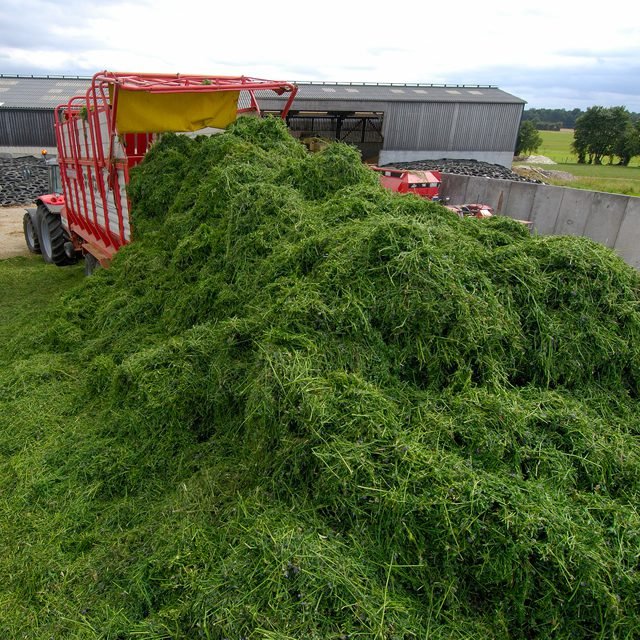
High-quality Alfalfa Suppliers be bright green, have a fresh aroma, and a soft, fine texture. Be wary of moldy, damp, or coarse hay, as it may indicate poor storage or handling.
Finally, check the packaging and labeling for certifications, such as USDA Organic or Certified Alfalfa, which guarantee certain standards of quality.
Small Order Buying Strategies
When you’re buying alfalfa hay in small quantities, you’re often at the mercy of suppliers who cater to larger clients. They mightn’t prioritize your order or offer competitive pricing.
To counter this, you need to be strategic in your approach. First, research is crucial. Look for local suppliers, farm cooperatives, or online marketplaces that cater to small-scale buyers.
Compare prices, product quality, and delivery options to find the best fit. Be prepared to negotiate, especially if you’re a repeat customer. Don’t be afraid to ask about discounts or promotions that mightn’t be publicly advertised.
Additionally, consider buying alfalfa hay during off-peak seasons when suppliers might be more willing to accommodate smaller orders. Being flexible with your delivery schedule can also work in your favor.
Bulk Purchase Considerations
You’ve successfully navigated the challenges of buying alfalfa hay in small quantities, and now you’re ready to take your purchasing power to the next level.
When considering bulk purchases, it’s essential to evaluate your storage capacity and ensure you can accommodate large quantities.
You’ll need to calculate the total square footage required and consider the moisture levels of the hay, as excessive moisture can lead to mold and spoilage.
When negotiating with suppliers, be prepared to ask about their bulk pricing structure and any discounts they may offer for large orders.
Don’t be afraid to request samples before committing to a bulk purchase.
This will give you a better understanding of the hay’s quality and help you avoid potential issues.
Additionally, consider working with a supplier who can provide flexible delivery options, such as partial shipments or just-in-time delivery, to minimize storage constraints.
Hay Storage and Handling Tips
Two hundred bales of alfalfa hay can quickly overwhelm your storage area if not managed properly.
To avoid this, you’ll want to designate a specific area for your hay and ensure it’s dry, well-ventilated, and protected from the elements. Consider investing in a hay tarp or cover to keep your alfalfa dry and free from mold.
When stacking your bales, make sure to do so in a way that allows for good airflow and easy access.
Try to stack them in a way that allows you to remove bales from the middle or back without having to move the entire stack. This will save you time and energy in the long run.
Additionally, consider labeling your bales by type, quality, and date received to ensure you’re using the oldest hay first.
Making an Informed Buying Decision
Now that you’ve got your storage and handling system in place, you’re ready to focus on sourcing high-quality alfalfa hay.
This starts with knowing what to look for in a supplier. Research local farmers, online retailers, and wholesalers to find the best option for you.
Consider factors like price, quality, and delivery options. Make a list of potential suppliers and reach out to them with your questions.
Ask about their harvesting and drying processes, as well as any certifications they may hold. Don’t be afraid to ask for samples or references from other customers.
Once you’ve narrowed down your options, it’s time to inspect the hay. Look for a fresh, green color and a sweet smell.
Check the texture and make sure it’s free of mold and contaminants. By doing your due diligence, you’ll be able to make an informed buying decision that meets your needs and your budget.
Conclusion
You’ve done your research, compared prices, and negotiated the best deal. Now, it’s time to make your purchase. Remember to inspect the quality, ensure proper storage, and handle the hay with care. By following these alfalfa hay buying tips, you’ll get high-quality hay that meets your needs and budget.