The Role of Buckwheat Flour in Vegan Diets
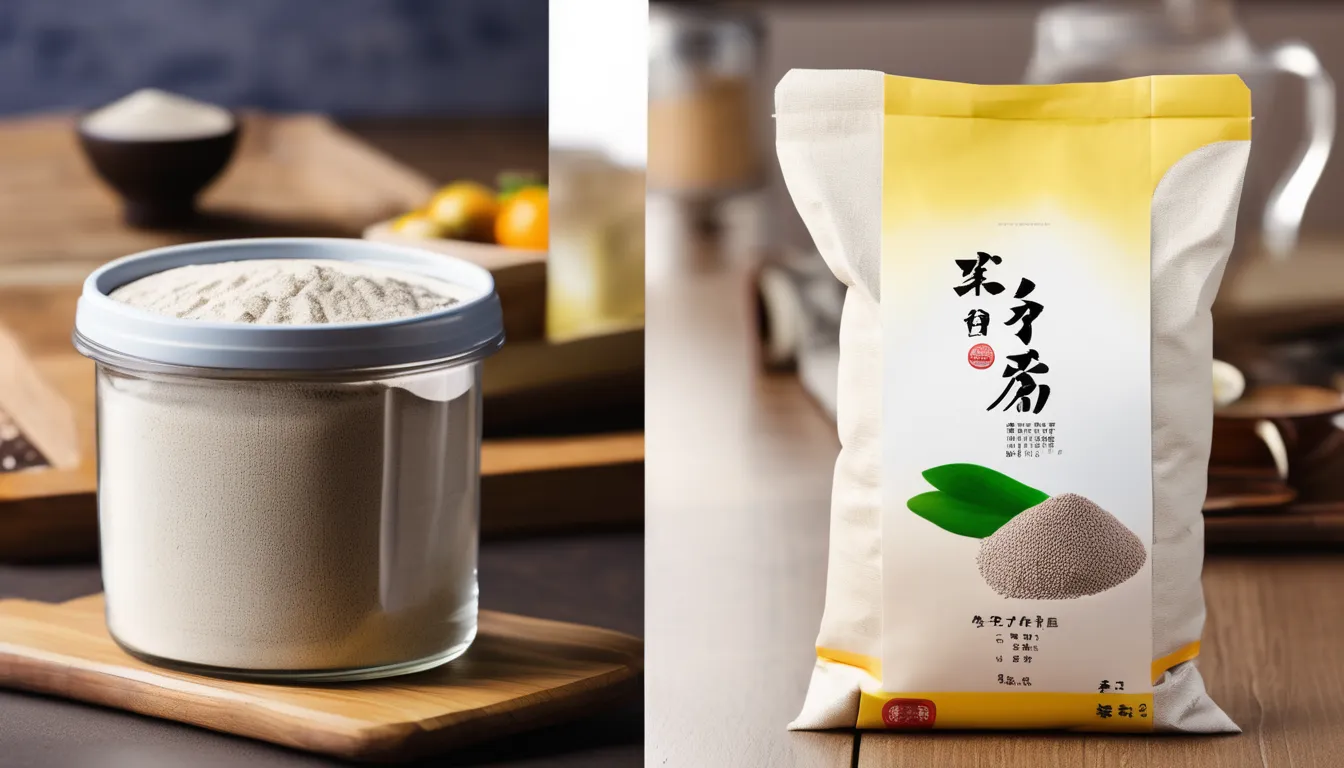
When it comes to vegan diets, the inclusion of buckwheat flour can be a game-changer. With its array of nutrients and adaptability in various culinary creations, this ingredient brings a lot to the table. From adding a unique twist to traditional recipes to boosting the nutritional profile of your dishes, buckwheat flour has a lot to offer. Whether you’re a seasoned vegan cook or just starting out on this plant-based journey, exploring the possibilities of incorporating buckwheat flour can open up a world of culinary adventures that cater to both your taste buds and your health goals.
Nutritional Benefits of Buckwheat Flour
When incorporating buckwheat flour into your vegan diet, you’re adding a powerhouse of nutritional benefits. Buckwheat flour is a gluten-free alternative that’s rich in essential nutrients. It’s packed with fiber, which aids in digestion and helps you feel full for longer periods.
Additionally, buckwheat flour is a great source of protein, making it an excellent option for vegans to meet their protein needs. This flour also contains various vitamins and minerals, including iron, magnesium, and B vitamins, which are crucial for overall health and energy production.
Moreover, buckwheat flour is known for its antioxidants, such as rutin and quercetin, which help fight inflammation and reduce the risk of chronic diseases. These antioxidants also support heart health by promoting better blood circulation and lowering blood pressure.
With its impressive nutritional profile, incorporating buckwheat flour into your vegan diet can contribute to a well-rounded and healthy eating plan.
Versatility in Vegan Baking
Adding buckwheat flour to your vegan baking repertoire opens up a world of versatility and creativity. Not only does buckwheat flour provide a unique nutty flavor to your baked goods, but it also offers a host of nutritional benefits. Its earthy taste pairs well with a variety of ingredients, making it a versatile choice for both sweet and savory vegan recipes.
In baking, buckwheat flour can be used alone or combined with other flours like almond or coconut flour to create delicious treats such as pancakes, muffins, cookies, and bread. Its slightly denser texture adds a hearty element to baked goods, perfect for those looking for a more substantial treat.
Moreover, buckwheat flour is a great gluten-free alternative, making it suitable for those with gluten sensitivities or allergies. It can be used as a thickening agent in sauces, gravies, and soups, adding a unique depth of flavor.
Experimenting with buckwheat flour in your vegan baking endeavors won’t only expand your culinary skills but also introduce you to a whole new world of delicious and nutritious possibilities.
Enhancing Flavor in Savory Dishes
To elevate the taste profile of your savory vegan dishes, incorporating buckwheat flour is a game-changer. Buckwheat flour brings a nutty, earthy flavor that adds depth and complexity to your recipes.
When used in savory dishes like burgers, pancakes, or dumplings, it imparts a unique taste that sets your creations apart. The flour’s distinct flavor profile complements ingredients commonly found in savory vegan cooking, such as mushrooms, herbs, and spices.
In addition to enhancing taste, buckwheat flour also provides a subtle hint of sweetness that can balance out the flavors in savory dishes. This delicate sweetness can help round out the overall taste of your creations, creating a harmonious blend of flavors that will impress even the most discerning palate.
Gluten-Free Alternative for Vegan Recipes
Looking for a gluten-free alternative for your vegan recipes? Buckwheat flour is an excellent choice to consider. Not only is buckwheat naturally gluten-free, but it also adds a unique nutty flavor to your dishes. When baking or cooking vegan meals, using buckwheat flour can provide a similar texture to traditional wheat flour without the gluten. Its versatility allows you to use it in a wide range of recipes, from pancakes and muffins to bread and pasta.
Buckwheat flour is packed with nutrients like fiber, protein, and essential minerals, making it a wholesome choice for your gluten-free and vegan diet. It can help you create delicious dishes while ensuring you still get the necessary nutrients your body needs.
Whether you’re making sweet treats or savory meals, buckwheat flour can be a versatile ingredient that enhances the taste and nutritional value of your creations. Try incorporating buckwheat flour into your vegan recipes for a gluten-free twist that will surely impress your taste buds.
Tips for Incorporating Buckwheat Flour
When incorporating buckwheat flour into your vegan recipes, you can explore various techniques to maximize its benefits and flavors. To start, consider blending buckwheat flour with other gluten-free flours like almond flour or tapioca flour for a more balanced texture in baked goods. Experiment with different ratios to find the perfect combination that suits your taste preferences.
Another tip is to toast the buckwheat flour before using it in recipes to enhance its nutty flavor profile. Simply heat a skillet over medium heat and toast the flour, stirring frequently, until it turns golden brown and emits a pleasant aroma.
Furthermore, you can mix そば粉 into your pancake or waffle batter for a nutritious twist. The flour adds a hearty flavor and boosts the fiber content of your breakfast.
Additionally, try incorporating buckwheat flour into savory dishes like veggie burgers or as a coating for tofu or vegetables before baking or frying. These simple tips will help you make the most of buckwheat flour in your vegan cooking endeavors.
Frequently Asked Questions
Can Buckwheat Flour Be Used as a Thickening Agent in Vegan Soups?
Yes, buckwheat flour can be used as a thickening agent in vegan soups. It adds a nutty flavor and a gluten-free option. Remember to mix it with a bit of water before adding it to your soup for best results.
Is It Possible to Make Gluten-Free Pasta Using Buckwheat Flour?
Yes, you can make gluten-free pasta using buckwheat flour. Buckwheat flour has a nutty flavor and is a great alternative for those avoiding gluten. Mix it with water, roll it out, and cut it into pasta shapes for a delicious meal.
Can Buckwheat Flour Be Used in Vegan Protein Shakes?
Yes, you can use buckwheat flour in vegan protein shakes. It adds a nutty flavor and boosts the protein content. Blend it with plant-based milk, fruits, and protein powder for a nutritious shake that’s both vegan and gluten-free.
Are There Any Special Storage Requirements for Buckwheat Flour?
Store buckwheat flour in an airtight container in a cool, dark place. Avoid moisture to prevent spoilage. Use within a few months for optimal freshness. Proper storage ensures your buckwheat flour stays fresh for longer.
Can Buckwheat Flour Be Used in Raw Vegan Desserts?
Yes, you can use buckwheat flour in raw vegan desserts. It adds a nutty flavor and a unique texture. Try it in recipes for cookies, energy balls, or crusts for pies. Enjoy experimenting with this versatile ingredient!
Conclusion
In conclusion, buckwheat flour is a valuable ingredient in vegan diets, offering essential nutrients, fiber, and protein. Its versatility in baking and ability to enhance flavor in savory dishes make it a must-have for plant-based cooking. As a gluten-free alternative, buckwheat flour provides a healthy and delicious option for vegans looking to diversify their meals. Incorporate this nutritious flour into your recipes for a well-rounded and satisfying culinary experience.