The Complete Guide to Health Optimisation Through Supplements
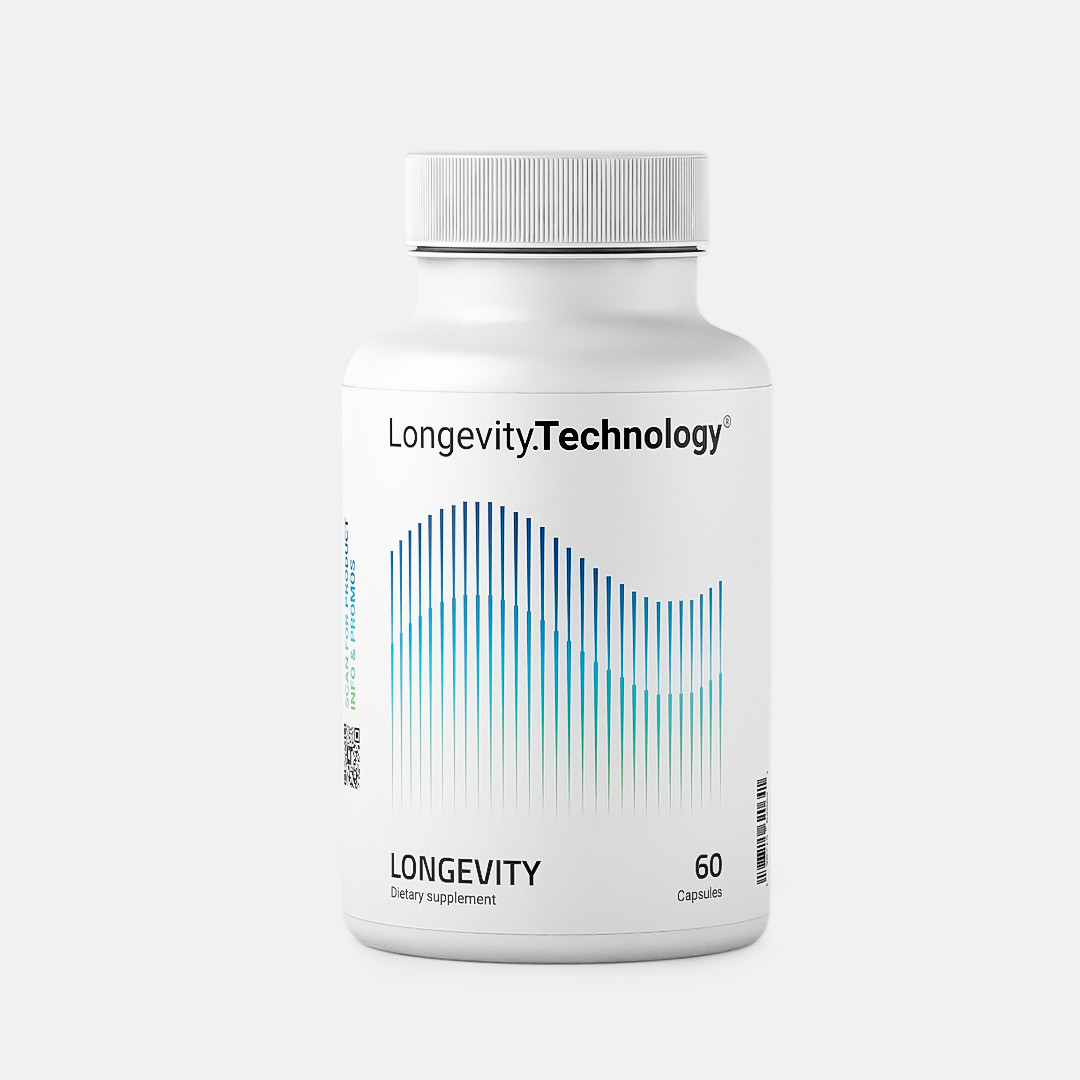
In today’s fast-paced world, maintaining optimal health can be challenging. Busy schedules, processed foods, environmental stressors, and inconsistent sleep patterns can all affect how well our bodies function. This is where supplements come in. When used wisely, supplements can help fill nutritional gaps, support bodily functions, and enhance overall well-being. However, true health optimisation requires more than simply taking pills—it requires strategy, awareness, and balance.
Understanding Health Optimisation
Health optimisation is the process of improving physical, mental, and emotional well-being to function at your highest potential. It is not just about avoiding illness, but about thriving—having sustained energy, strong immunity, mental clarity, and resilience.
Supplements play a supporting role in this process. They are not replacements for a healthy lifestyle, but rather tools that complement proper nutrition, exercise, sleep, and stress management.
Why Supplements Matter
Even with a well-balanced diet, it can be difficult to get all essential nutrients consistently. Soil depletion, food processing, and lifestyle factors can reduce the nutrient density of modern diets. Supplements help bridge these gaps.
For example, vitamin D deficiency is common in people who have limited sun exposure. Similarly, omega-3 fatty acids are often lacking in diets that do not include sufficient fish. In such cases, targeted supplementation can make a significant difference.
Key Categories of Supplements
1. Vitamins and Minerals
Vitamins and minerals are the foundation of good health. They are essential for processes like energy production, immune function, and bone health.
- Vitamin D supports bone strength and immune health.
- Vitamin B-complex helps with energy metabolism and nervous system function.
- Magnesium plays a role in muscle relaxation, sleep, and stress reduction.
- Zinc supports immunity and wound healing.
- Iron is essential for oxygen transport in the blood.
A balanced multivitamin can help cover basic nutritional needs, but it is often better to target specific deficiencies based on individual needs.
2. Omega-3 Fatty Acids
Omega-3s are essential fats that the body cannot produce on its own. They are crucial for brain health, heart health, and reducing inflammation.
Sources include fish oil and algae-based supplements. Regular intake may help improve cognitive function, support cardiovascular health, and reduce the risk of chronic diseases.
3. Protein Supplements
Protein is essential for muscle repair, immune function, and enzyme production. While many people can meet their protein needs through diet, protein supplements such as whey or plant-based protein powders can be helpful for athletes or those with higher requirements.
4. Adaptogens
Adaptogens are natural substances that help the body adapt to stress and maintain balance. Common examples include:
- Ashwagandha
- Rhodiola
- Ginseng
These supplements may help reduce stress, improve energy levels, and support mental clarity.
5. Probiotics and Gut Health Supplements
Gut health plays a major role in overall well-being. The gut is responsible for digestion, nutrient absorption, and even immune function.
Probiotics are beneficial bacteria that help maintain a healthy gut microbiome. Prebiotics, on the other hand, provide food for these bacteria. Together, they can improve digestion, boost immunity, and support mental health.
6. Antioxidants
Antioxidants help protect the body from oxidative stress caused by free radicals. Common antioxidant supplements include vitamin C, vitamin E, and compounds like coenzyme Q10 (CoQ10).
These can support skin health, reduce inflammation, and slow down cellular aging.
How to Choose the Right Supplements
Choosing the right supplements is crucial for achieving real health benefits. Here are some key considerations:
1. Identify Your Needs
Before taking any supplement, assess your current health status. Blood tests, lifestyle analysis, and dietary evaluation can help identify deficiencies.
For example, someone with low energy might need iron or B vitamins, while someone dealing with stress might benefit from magnesium or adaptogens.
2. Quality Matters
Not all supplements are created equal. Look for reputable brands that use high-quality ingredients and have third-party testing. Poor-quality supplements may contain fillers, contaminants, or inaccurate dosages.
3. Avoid Over-Supplementation
Taking too many supplements can be harmful. Excessive intake of certain nutrients, such as vitamin A or iron, can lead to toxicity. More is not always better—balance is key.
4. Check Bioavailability
Bioavailability refers to how well the body absorbs a supplement. Some forms of nutrients are more easily absorbed than others. For example, magnesium glycinate is more bioavailable than magnesium oxide.
Building a Supplement Routine
Creating a consistent routine ensures that supplements are effective. Here’s a simple approach:
- Take fat-soluble vitamins (like vitamins A, D, E, and K) with meals containing fat.
- Take water-soluble vitamins (like vitamin C and B-complex) earlier in the day.
- Consider timing supplements based on their function—for example, magnesium at night for better sleep.
Consistency is more important than perfection. Taking health optimisation supplements regularly over time produces better results than sporadic use.
The Role of Lifestyle
Supplements should never replace healthy habits. To truly optimise health, they must be combined with:
- A balanced diet rich in whole foods
- Regular physical activity
- Quality sleep
- Stress management techniques
- Adequate hydration
These lifestyle factors are the foundation of good health. Supplements enhance their effects but cannot compensate for poor habits.
Common Mistakes to Avoid
Many people make mistakes when using supplements. Some of the most common include:
- Re solely on supplements instead of improving diet
- Ignoring dosage recommendations
- Mixing supplements without understanding interactions
- Expecting immediate results
- Not consulting a healthcare professional when needed
Avoiding these mistakes can help you get the most benefit from your supplement routine.
Personalisation is Key
There is no one-size-fits-all approach to supplementation. Each person has unique needs based on age, gender, activity level, diet, and health conditions.
For example:
- Athletes may require more protein and electrolytes
- Older adults may need more calcium and vitamin D
- People under stress may benefit from magnesium and adaptogens
Personalising your supplement strategy ensures better results and reduces unnecessary intake.
Final Thoughts
Health optimisation through supplements is about making smart, informed choices. Supplements are powerful tools that can support your body and mind, but they work best when combined with a healthy lifestyle.
By focusing on quality, balance, and personalisation, you can create a supplement strategy that enhances your energy, strengthens your immunity, and supports long-term well-being.
Ultimately, the goal is not just to live longer—but to live better. Supplements, when used correctly, can play an important role in helping you achieve that goal.