
EB1 Opportunities for Information Technology Engineers

If you’re an Information Technology engineer considering the next step in your career, the EB1 visa could be a crucial opportunity. This visa not only bypasses the need for a job offer but also recognizes your extraordinary contributions to the field. Understanding the eligibility criteria and application process can significantly enhance your chances of success. You might wonder, though, what specific achievements count as extraordinary, and how can you effectively showcase them? Let’s explore these key aspects and uncover how you can position yourself for this unique pathway.
Understanding the EB1 Visa
The EB1 visa is a highly sought-after immigration option for individuals with extraordinary abilities in their fields, including IT engineers. This visa category allows you to obtain permanent residency in the United States without needing a job offer or labor certification.
If you’ve made significant contributions to your field or have a proven track record of success, the EB1 could be the ideal pathway for you.
This visa is divided into three subcategories: EB1-A for individuals with extraordinary ability, EB1-B for outstanding professors and researchers, and EB1-C for multinational executives and managers. As an IT engineer, you’ll likely find the EB1-A subcategory most relevant. It recognizes those who’ve achieved a level of expertise that’s acknowledged by peers in the industry.
To apply, you’ll need to compile evidence of your achievements, such as awards, publications, or any other documentation that highlights your skills and accomplishments.
The EB1 visa not only fast-tracks your immigration process but also opens doors to advanced career opportunities in the U.S. By understanding this visa’s significance, you can better navigate your options and position yourself for success in your professional journey.
Eligibility Criteria for IT Engineers
To qualify for the EB1 visa as an IT engineer, you’ll need to meet specific eligibility criteria that demonstrate your extraordinary ability in the field.
First, you must show that you have an advanced degree or possess exceptional skills that set you apart from your peers. This could include holding a master’s degree or higher in a relevant discipline.
Next, you’ll need to provide evidence of your significant contributions to the IT industry. This includes publications in reputable journals, patents, or awards that highlight your expertise. Participation in conferences as a speaker or panelist can also strengthen your case.
You should also demonstrate that you’ve been recognized in your field at a national or international level. This could be through professional associations, media coverage, or letters of recommendation from industry leaders who can attest to your contributions.
Lastly, showing a sustained record of high earnings compared to others in your field can bolster your application.
Application Process Overview
Navigating the application process for the EB1 visa can seem daunting, but understanding the steps involved makes it manageable.
First, you’ll need to gather all necessary documentation that proves your eligibility. This includes evidence of your extraordinary ability in information technology, such as awards, publications, or letters of recommendation from recognized experts in your field.
Next, you’ll complete Form I-140, the Immigrant Petition for Alien Worker. It’s crucial to provide detailed information about your qualifications and achievements, so don’t rush this part.
Once you submit the form, you’ll wait for the U.S. Citizenship and Immigration Services (USCIS) to process your application. This can take several months, so patience is key.
While waiting, prepare for the next steps. If your petition is approved, you’ll need to apply for an immigrant visa through consular processing or adjustment of status, depending on your situation.
Gather your medical exam results and other required documents for the visa interview.
Benefits of the EB1 Visa
Once your EB1 petition is approved, you’ll discover numerous advantages that come with this prestigious visa category.
First and foremost, the EB1 visa allows you to bypass the lengthy labor certification process, which can delay your employment in the U.S. This means you can start working in your field almost immediately, capitalizing on job opportunities without unnecessary waiting.
Additionally, the EB1 visa grants you the ability to bring your immediate family members, including your spouse and children, to the U.S. This not only strengthens your family bond but also ensures you have a supportive environment while you pursue your professional goals.
Another significant benefit is the option for permanent residency. The EB1 visa is a pathway to a green card, which means you can enjoy the rights and privileges of a permanent resident, including the ability to live and work in the U.S. indefinitely.
Lastly, having an EB1 visa enhances your professional reputation. It showcases your exceptional abilities and accomplishments, making you an attractive candidate for top-tier employers in the competitive IT industry.
Embracing these benefits can significantly elevate your career trajectory.
Success Stories in IT
Success stories in the IT sector often highlight the incredible potential of professionals who’ve leveraged the EB1 visa to elevate their careers. These individuals demonstrate how determination and skill can lead to remarkable achievements. You might find inspiration in their journeys, as many have trans requirements for eb1 green card med their lives and contributed significantly to the tech field.
Here’s a quick look at some notable success stories:
| Name | Achievement |
|---|---|
| Sarah Johnson | Developed a groundbreaking AI algorithm |
| Raj Patel | Led a major cybersecurity initiative |
| Emily Chen | Co-founded a successful tech startup |
| David Smith | Authored influential research in cloud computing |
Each of these professionals capitalized on their EB1 visa status to access outstanding opportunities. They’ve not only advanced their careers but also enhanced the tech landscape in the U.S. Their stories can motivate you to pursue your own EB1 journey, showing that with the right recognition, the sky’s the limit. So, if you’re considering the EB1 visa, remember that your success story could be next!
Conclusion
In conclusion, the EB1 visa opens up exciting opportunities for IT engineers like you. By showcasing your extraordinary abilities and significant contributions, you can secure permanent residency in the U.S. without needing a job offer. This pathway not only allows for immediate employment but also enhances your career prospects in the tech industry. If you meet the eligibility criteria, consider pursuing this exceptional opportunity to elevate your professional journey and make your mark in the field.
Porta Potty Rental in Los Angeles Convenience at Your Fingertips
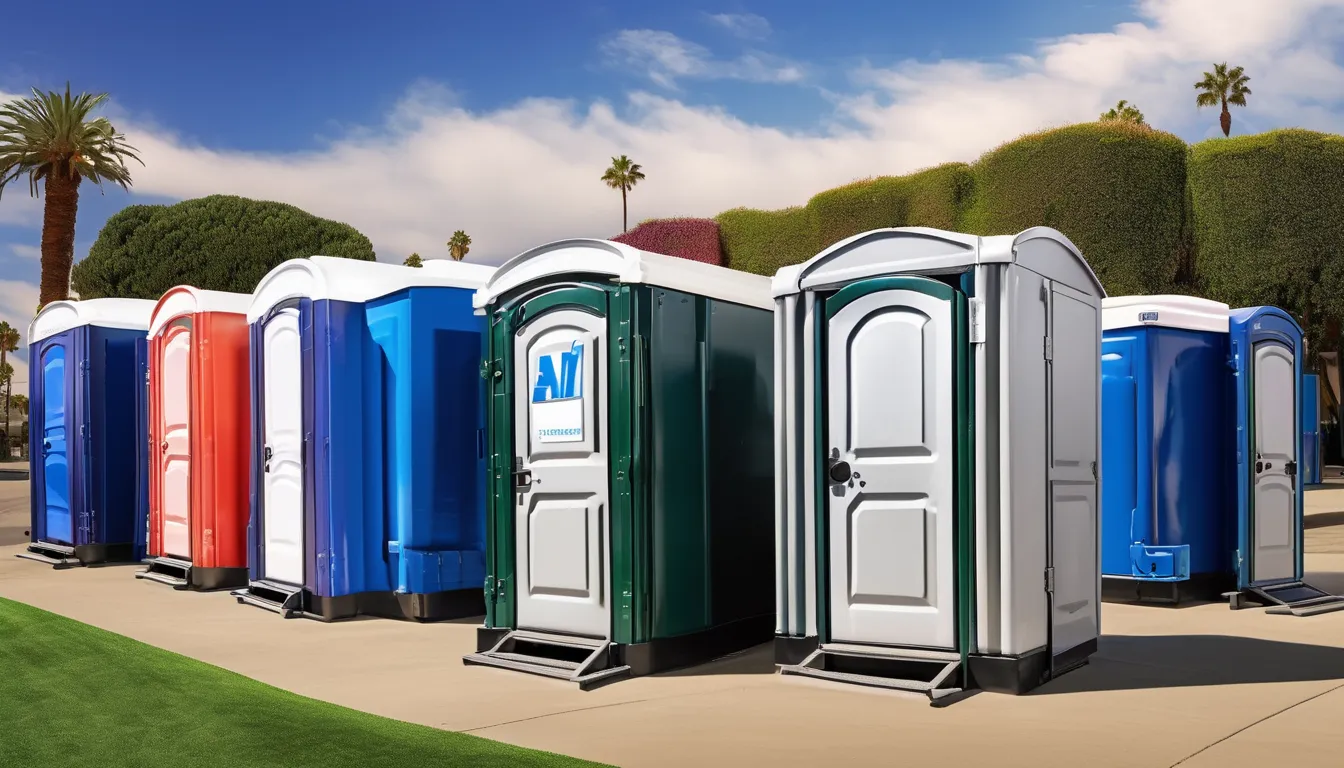
When you’re planning an outdoor event or managing a construction site in Los Angeles, you know convenience is key. Renting a porta potty gives you the flexibility to ensure that everyone has access to clean facilities without the stress of finding nearby restrooms. With various options available, from basic units to more luxurious alternatives, you can tailor your rental to meet your specific needs. But before you settle on a choice, there are important factors to consider that could affect your overall experience and budget.
Benefits of Porta Potty Rental
When you choose porta potty rental for your event or construction site, you gain several key benefits that enhance convenience and comfort.
First and foremost, having portable restrooms on-site saves you and your guests from the hassle of searching for the nearest bathroom. This is especially crucial during outdoor events or in remote work locations where facilities might be scarce.
Additionally, renting porta potties ensures that your guests or workers have a clean, hygienic place to relieve themselves. Most rental companies maintain their units to high standards, providing you with peace of mind about cleanliness.
You’ll also find that the availability of restroom facilities can significantly improve the overall experience for your attendees or crew, keeping them focused on enjoying the event or completing their tasks.
Another important benefit is the flexibility you gain. Porta potties can be delivered and set up according to your schedule, allowing you to customize the rental duration to fit your needs.
Whether you need them portable restrooms los angeles a few hours or several days, you can easily arrange for pickup when you’re done. With these advantages, choosing porta potty rental makes perfect sense for any gathering or construction project.
Types of Porta Potties Available
Exploring the types of porta potties available can help you choose the right option for your needs. There are several styles to consider, each designed for different situations.
Standard porta potties are the most common choice, perfect for outdoor events and construction sites. They offer basic amenities like a toilet and hand sanitizer.
If you need something a bit more upscale, you might opt for deluxe porta potties. These units include features like flushing toilets, sinks with running water, and even mirrors—ideal for weddings or formal gatherings.
For larger events, consider renting a restroom trailer. These trailers provide multiple stalls and are equipped with air conditioning and heating, offering a more comfortable experience.
For special needs, accessible porta potties are designed for individuals with disabilities, ensuring everyone has access to sanitation facilities.
You can also find environmentally-friendly options, such as solar-powered units, that minimize your event’s carbon footprint.
Understanding the types of porta potties available allows you to select the best fit for your gathering, ensuring comfort and convenience for all your guests.
Renting Process Made Easy
Choosing the right porta potty is just the beginning; understanding the renting process is key to a smooth experience.
First, you’ll want to research local rental companies in Los Angeles. Look for those with positive reviews and a solid reputation. Once you’ve selected a few options, reach out to them for quotes. Most companies offer online forms or phone consultations, making it easy to get price estimates.
Next, consider your specific needs, such as the number of units required and the duration of your rental. Be prepared to discuss your event type and location, as these details can affect pricing and availability.
After gathering your information, request a formal agreement. This document should outline the costs, delivery, and pickup schedules.
Once you finalize your choice, confirm your order ahead of time to ensure you secure the units you need.
On the day of delivery, make sure the location is accessible for the delivery truck. After your event, the rental company will handle the pickup, so you won’t have to worry about any cleanup.
Tips for Choosing the Right Unit
Finding the right porta potty for your event can make all the difference, so it’s essential to consider a few key factors.
First, think about the number of guests you’ll have. For larger gatherings, you might need multiple units to ensure everyone has access without long waits.
Next, consider the type of event. If you’re hosting a formal occasion, you might want a more upscale unit with added amenities, like flushing toilets and sinks.
On the other hand, a basic model may suffice for casual events like picnics or outdoor festivals.
Also, check the location of your event. If it’s in a remote area, ensure the rental company can deliver and set up the units easily.
Accessibility is key—make sure the units are compliant with ADA standards if you expect guests with disabilities.
Cost Considerations for Rentals
When budgeting for porta potty rentals, it’s crucial to account for more than just the base rental fee. Various factors can influence your overall cost, so understanding these elements will help you avoid surprises.
First, consider how long you’ll need the units. Most companies charge based on daily or weekly rates, and longer rentals can sometimes offer discounts.
Next, think about the number of units you’ll require. Larger events typically need more units to accommodate guests, which can increase your rental costs. Additionally, if your event is in a remote location or requires special delivery arrangements, you might face extra fees.
Don’t forget about sanitation services. Most companies offer regular maintenance and cleaning, which can be an added cost but is essential for keeping your guests comfortable.
Also, check if there are any hidden fees, such as deposits or damage waivers.
Lastly, be aware of seasonal pricing changes. Renting during peak seasons, like summer, might cost more than in the off-season.
Conclusion
In conclusion, renting a porta potty in Los Angeles is a smart choice for any outdoor event or construction site. With various options available, you can easily find the right fit for your needs. The hassle-free rental process allows you to focus on what really matters—enjoying your event or getting the job done. So, take advantage of the convenience at your fingertips and ensure your guests or workers have access to clean and hygienic facilities.
Design Your Own Wine Labels Tips for Stunning Results

When you set out to design your own wine labels, you’re not just creating a visual; you’re crafting an integral part of your brand’s identity. Start by understanding the essential dimensions and choosing materials that not only look good but also stand the test of time. Consider key elements like the wine name and vintage year, but remember that a captivating tagline can make all the difference. As you think about design tools and printing techniques, you might wonder how to elevate your labels from ordinary to extraordinary. What steps can you take to ensure your labels truly shine?
Understanding Label Dimensions
When it comes to designing your own wine labels, grasping the dimensions is crucial for achieving a polished look.
You’ll want to start by measuring the bottle you plan to use. Common wine bottle sizes include standard 750ml, magnum, and half-bottle formats, each requiring different label sizes to fit appropriately.
Once you know the dimensions of your bottle, consider the label placement. A well-placed label enhances the visual appeal, so ensure it sits at eye level when the bottle is upright. Typically, you’ll want the label to cover about one-third of the bottle’s height.
Next, think about the label shape. Whether you choose rectangular, oval, or custom shapes, the dimensions will affect how your design elements are arranged.
Make sure your design fits well within the chosen dimensions, leaving space for important information without overcrowding the label.
Choosing the Right Materials
Selecting the right materials for your wine labels can make all the difference in both aesthetics and durability.
First, you’ll want to consider the type of paper. A textured paper can add a touch of elegance, while a glossy finish can make your colors pop. If you’re aiming for a rustic look, recycled paper might be the way to go.
Next, think about the adhesive. Your labels need to stick well, especially if they’ll be exposed to moisture, like in a fridge or ice bucket. Choose a waterproof adhesive to ensure they stay in place.
Another important aspect is the ink. Make sure to use fade-resistant ink to keep your labels looking fresh over time.
If you’re printing at home, check your printer’s capabilities before selecting materials, as some printers work better with certain types of paper.
Essential Design Elements
What key elements should you include in your wine label design? Start with the name of your wine. Make it prominent and easy to read. Choose a font that reflects your brand’s personality—whether it’s elegant, rustic, or modern.
Next, consider the wine type. Clearly indicate if it’s a Merlot, Chardonnay, or another variety to help consumers make informed choices.
Don’t forget about the vintage year. Including this detail adds authenticity and connects your wine to a specific time and place. You might also want to add a tagline or description that captures the essence of the wine, enticing customers and giving them a taste of what to expect.
Visual elements are crucial, too. Incorporate colors that resonate with your brand and complement the wine itself. Graphics or illustrations can add a personal touch, so think about using imagery that reflects the vineyard or the winemaking process.
Lastly, ensure your label includes necessary legal information, like alcohol content and origin.
Balancing these design elements will help you create a stunning wine label that stands out on the shelf and communicates your unique story.
Tools for Designing Labels
Explore a variety of tools to bring your wine label design to life. Whether you’re a seasoned designer or just starting, having the right tools makes a significant difference. Here are some popular options to consider:
| Tool | Description |
|---|---|
| Canva | User-friendly with templates for labels. |
| Adobe Illustrator | Professional design software for detailed work. |
| Inkscape | Free vector graphic editor, great for customization. |
| Microsoft Publisher | Easy-to-use software for simple layouts. |
Each tool offers unique features to help you create stunning labels. Canva is perfect for beginners, providing templates and drag-and-drop functionality. If you’re looking for more control, Adobe Illustrator allows for intricate designs and precise adjustments. Inkscape is a fantastic free alternative that still delivers professional results. Lastly, Microsoft Publisher is ideal if you want straightforward, no-fuss layouts.
Experiment with these tools, and don’t hesitate to combine elements from different plat custom beer labels ms to achieve the look you want. With the right tools at your fingertips, your creativity can shine through in your wine label designs!
Printing and Application Tips
When it comes to printing your wine labels, choosing the right paper and printer is crucial for achieving professional results. Look for a high-quality adhesive paper designed for labels, as this will ensure your designs stick well and resist moisture.
For best results, use a color inkjet printer, which typically offers vibrant colors and sharp details. Make sure to adjust your printer settings to match the paper type and size for optimal output.
Before you hit print, do a test run on plain paper to check for alignment and color accuracy. Once you’re satisfied, print your labels on the adhesive paper. After printing, allow the ink to dry completely to avoid smudging.
When it’s time to apply your labels, make sure your bottles are clean and dry. Start at one edge and slowly roll the label onto the bottle, smoothing out any bubbles as you go.
If you’re using a larger label, consider using a squeegee to ensure an even application. Finally, let the labels set for a day or two before showcasing your wine to allow the adhesive to bond properly.
Conclusion
Designing your own wine labels can truly elevate your brand. By understanding label dimensions, choosing the right materials, and incorporating essential design elements, you’ll create something special. Utilize user-friendly tools to bring your vision to life and don’t forget to pay attention to printing and application techniques for a polished finish. With these tips, you’re well on your way to crafting stunning labels that will impress consumers and reflect the quality of your wine.
Commercial Food Equipment Parts A Comprehensive Resource

When you’re managing a commercial kitchen, understanding the intricacies of food equipment parts is crucial for smooth operations. You might not realize how vital each component is until something malfunctions, leading to downtime and lost revenue. This resource covers everything from common replacement parts to maintenance tips that can extend the life of your equipment. But what if you’re unsure where to source these quality parts or how to troubleshoot issues effectively? The answers could significantly impact your kitchen’s efficiency and bottom line.
Understanding Food Equipment Components
When it comes to commercial food equipment, understanding its components is crucial for efficient operation. Each piece of equipment, whether it’s a refrigerator, oven, or fryer, has specific parts that play a vital role in its functionality. Familiarizing yourself with these components helps you identify potential issues before they escalate.
For instance, take a commercial oven. You should know it consists of heating elements, thermostats, and timers. The heating elements generate heat, while the thermostat ensures the temperature stays consistent. Recognizing how these parts interact can help you maintain optimal cooking conditions and prevent food spoilage.
Similarly, in refrigeration units, you’ll find compressors, evaporators, and condensers. The compressor circulates the refrigerant, while the evaporator absorbs heat to keep temperatures low. Understanding these functions allows you to monitor efficiency and troubleshoot problems effectively.
Common Replacement Parts
Knowing the components of your commercial food equipment sets the stage robot coupe blades understanding common replacement parts. Recognizing these parts can help you keep your equipment running smoothly and avoid costly downtime.
Here’s a quick overview of some common replacement parts you might encounter:
| Equipment Type | Common Replacement Part | Purpose |
|---|---|---|
| Ovens | Heating Element | Provides heat for cooking |
| Refrigerators | Door Gasket | Maintains temperature and efficiency |
| Fryers | Thermostat | Regulates oil temperature |
These parts can wear out over time due to constant use. For example, heating elements in ovens may degrade, affecting cooking performance. Similarly, door gaskets in refrigerators can lose their sealing power, leading to energy waste and temperature fluctuations. Thermostats in fryers can fail, risking improper cooking temperatures.
Being aware of these components allows you to quickly identify issues and order replacements when necessary. By keeping an eye on your equipment and knowing which parts are prone to wear, you can ensure your operations run smoothly and efficiently.
Maintenance Tips for Longevity
To extend the life of your commercial food equipment, regular maintenance is essential. Start by creating a routine inspection schedule to catch any issues early. Check all components, including filters, belts, and seals, for wear and tear.
Clean your equipment frequently, as buildup can lead to inefficiencies and potential breakdowns. For example, grease and grime can hinder the performance of ovens and fryers, so make sure to wipe them down daily.
Don’t forget to calibrate temperature settings regularly to ensure accurate cooking and baking. This not only improves food quality but also prolongs the life of your equipment. Use manufacturer-recommended cleaning agents and avoid harsh chemicals that can damage surfaces and components.
Additionally, pay attention to small details, like tightening loose screws and checking electrical connections. These minor adjustments can prevent larger problems down the road.
Keep a log of maintenance activities to track when tasks were completed and when the next servicing is due.
Troubleshooting Common Issues
While maintaining your commercial food equipment is crucial, troubleshooting issues that arise is equally important. When things go wrong, being able to identify the problem quickly can save you both time and money. Here’s a quick guide to help you pinpoint common issues you might encounter.
| Issue | Possible Solution |
|---|---|
| Equipment won’t turn on | Check power source and fuses |
| Uneven cooking or heating | Inspect thermostat calibration |
| Strange noises during operation | Examine belts and motors for wear |
| Leakage or spills | Tighten connections and seals |
| Error codes displayed | Refer to the user manual for guidance |
Start by examining the power supply if your equipment won’t switch on. If you notice uneven cooking, recalibrating the thermostat may solve the problem. Strange noises could indicate wear, while any leaks should prompt an inspection of seals. Lastly, error codes can be frustrating, but your user manual will usually have the answers you need. By being proactive in troubleshooting, you can ensure your operations run smoothly and efficiently.
Sourcing Quality Parts
Finding quality parts for your commercial food equipment is essential for keeping your operations running smoothly. You want to ensure that the components you source not only fit perfectly but also stand the test of time.
Here are some key points to consider when sourcing those crucial parts:
- Reputable Suppliers: Always choose suppliers with a solid track record in the industry. They’re more likely to offer genuine parts.
- Warranty and Return Policy: Check if the parts come with a warranty. A good return policy also gives you peace of mind if the part doesn’t fit or function as expected.
- Material Quality: Look for parts made from durable materials. This ensures longevity and reduces the need for frequent replacements.
- Customer Reviews: Don’t underestimate the power of customer feedback. Reviews can provide insights into the quality and reliability of the parts.
Conclusion
In conclusion, understanding the components of your commercial food equipment is key to maintaining efficiency and preventing costly breakdowns. By being aware of common replacement parts and implementing regular maintenance, you can extend the life of your equipment. Troubleshooting issues as they arise will keep your operations running smoothly. Don’t forget to source quality parts from trusted suppliers to ensure optimal performance. With these insights, you’re well-equipped to enhance your kitchen’s productivity and reliability.
The Best Strong 8K IPTV Services What You Need to Know

When you’re exploring the best strong 8K IPTV services, it’s crucial to understand how this technology can transform your viewing experience. You’ll encounter various providers, each claiming to offer superior content and performance. However, not all services are created equal, and choosing the right one requires careful consideration of features, costs, and your unique preferences. So, what should you really look for in an 8K IPTV service, and how can you ensure you’re making the best choice? Let’s uncover the essential aspects that could impact your streaming experience.
Understanding 8K IPTV Technology
When diving into the world of 8K IPTV technology, you’ll find it stands out as a revolutionary shift in how we consume media. This technology offers you an ultra-high-definition viewing experience, delivering four times the resolution of 4K and sixteen times that of 1080p. With 8K, every detail pops, immersing you in stunning visuals that make you feel like you’re part of the action.
IPTV, or Internet Protocol Television, transmits television content over the internet rather than traditional satellite or cable methods. This means you can stream your favorite shows and movies directly to your device, providing unmatched flexibility. You won’t be tied down to a physical box or cable subscription; all you need is a stable internet connection.
The combination of 8K resolution and IPTV technology allows you to enjoy a superior viewing experience, especially on large screens. This means that whether you’re binge-watching a series or catching up on the latest blockbuster, the clarity and detail are second to none.
As this technology continues to evolve, it’s essential to stay informed about the best options available to enjoy all the benefits of 8K IPTV.
Key Features of Top Services
As you explore the best 8K IPTV services, you’ll want to consider several key features that can enhance your viewing experience.
First, look for a robust channel lineup. A diverse selection of channels ensures you can enjoy your favorite shows, movies, and sports without missing out.
Next, check the user interface. A clean, intuitive interface makes navigating through content much easier. You should also consider the availability of catch-up TV features, which allow you to watch missed episodes at your convenience.
Another important aspect is the streaming quality. While 8K content is the goal, having a service that offers seamless streaming in lower resolutions is crucial for areas with fluctuating internet speeds.
Don’t forget about device compatibility. Ensure the service works across various devices, including smart TVs, tablets, and smartphones.
Lastly, look into customer support options. Reliable support can make a big difference when you’re troubleshooting issues or seeking assistance.
Popular 8K IPTV Providers
With the key features in mind, it’s time to look at some popular 8K IPTV providers that stand out in the market.
One of the top contenders is Sling TV, which offers a diverse range of channels and a user-friendly interface. You’ll appreciate its flexibility in choosing packages that suit your viewing habits.
Another noteworthy provider is YouTube TV, known for its impressive library of live channels and on-demand content. It supports 8K streaming, ensuring you get the best picture quality for your favorite shows and events.
FuboTV is also a strong option, particularly for sports enthusiasts. It provides a wealth of live sports channels, and with its 8K capabilities, you won’t miss a moment of the action.
Lastly, consider AT&T TV Now, which delivers a robust channel lineup and seamless streaming experience. With its 8K offerings, you’ll enjoy crisp visuals and enhanced audio.
These providers are making strides in the IPTV space, bringing you high-quality content and a satisfying viewing experience.
Take time to explore what they offer and see which one fits your entertainment needs best.
Pricing and Subscription Options
Navigating the pricing and subscription options of 8K IPTV services can be a bit overwhelming, but understanding the available plans can help you make an informed choice.
Most providers offer a range of subscription models, which usually include monthly, quarterly, or annual options. The price can vary significantly based on the channels offered, the quality of the streams, and additional features.
Here’s a quick breakdown of what to expect:
- Monthly Plans: Typically range from $10 to $30, depending on the service.
- Quarterly Plans: Offer savings if you commit for three months, averaging $25 to $75.
- Annual Plans: Usually provide the best value, often costing between $100 and $300 for the year.
- Free Trials: Many services offer free trials, allowing you to test their offerings before committing.
- Add-ons: Some providers charge extra for premium channels or features like cloud DVR.
Tips for Choosing the Right Service
Choosing the right 8K IPTV service can feel daunting, but keeping a few key factors in mind can simplify the process.
First, consider your content preferences. Check if the service offers the channels or on-demand content you love. Look for a diverse selection, including sports, movies, and international channels.
Next, evaluate the reliability and speed of the service. Read reviews and ask around to find out how well the service performs during peak hours. A solid connection is crucial for enjoying 8K streaming without interruptions.
Don’t forget about pricing and subscription options. Compare plans to find one that fits your budget while still providing the features you need. Look strong 8k iptv trial periods and money-back guarantees to test the service risk-free.
Lastly, assess the user interface and device compatibility. You want a service that’s easy to navigate and works with your devices, whether that’s a smart TV, tablet, or smartphone.
Conclusion
In conclusion, choosing the right 8K IPTV service can elevate your viewing experience to new heights. With providers like Sling TV, YouTube TV, and FuboTV offering diverse content and user-friendly platforms, you’re sure to find something that fits your needs. Don’t forget to take advantage of free trials to test the services before committing. By considering your preferences and ensuring compatibility with your devices, you’ll enjoy seamless streaming and stunning visuals in no time.