Design Your Own Wine Labels Tips for Stunning Results
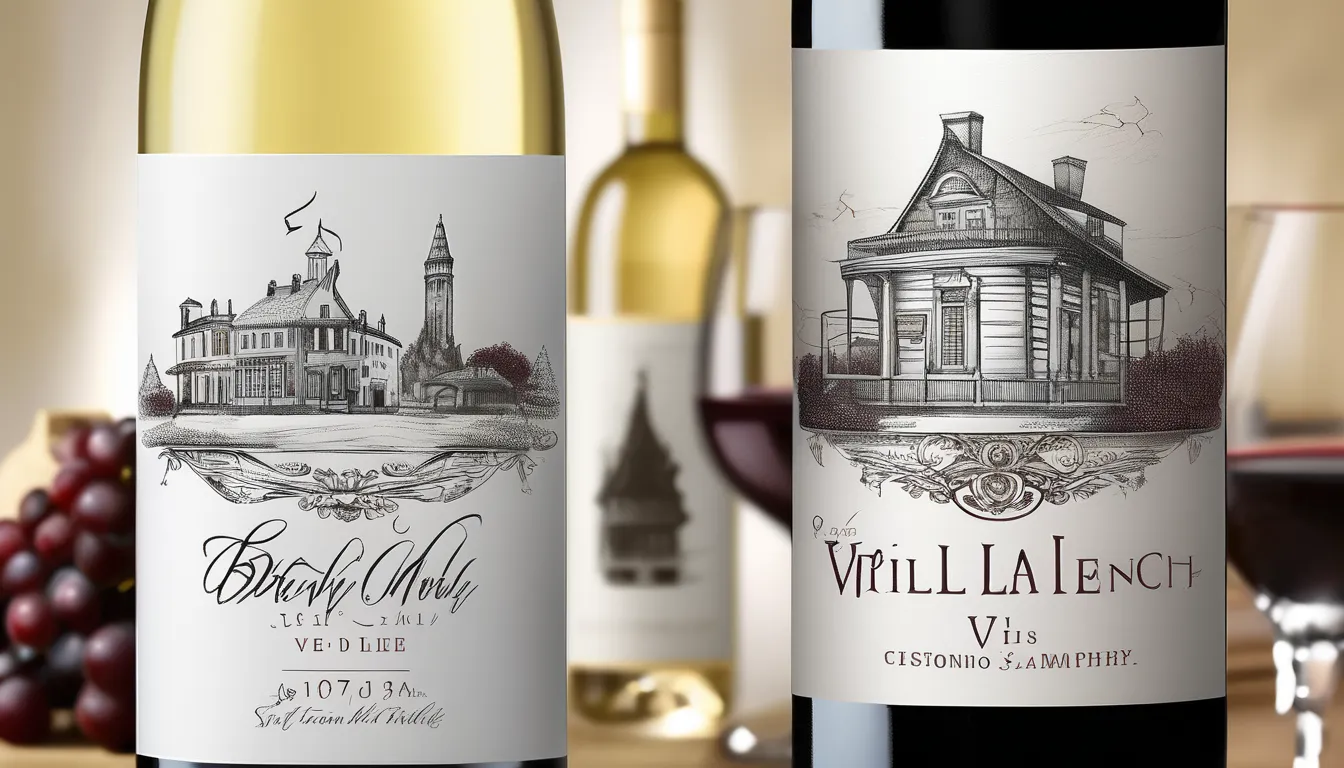
When you set out to design your own wine labels, you’re not just creating a visual; you’re crafting an integral part of your brand’s identity. Start by understanding the essential dimensions and choosing materials that not only look good but also stand the test of time. Consider key elements like the wine name and vintage year, but remember that a captivating tagline can make all the difference. As you think about design tools and printing techniques, you might wonder how to elevate your labels from ordinary to extraordinary. What steps can you take to ensure your labels truly shine?
Understanding Label Dimensions
When it comes to designing your own wine labels, grasping the dimensions is crucial for achieving a polished look.
You’ll want to start by measuring the bottle you plan to use. Common wine bottle sizes include standard 750ml, magnum, and half-bottle formats, each requiring different label sizes to fit appropriately.
Once you know the dimensions of your bottle, consider the label placement. A well-placed label enhances the visual appeal, so ensure it sits at eye level when the bottle is upright. Typically, you’ll want the label to cover about one-third of the bottle’s height.
Next, think about the label shape. Whether you choose rectangular, oval, or custom shapes, the dimensions will affect how your design elements are arranged.
Make sure your design fits well within the chosen dimensions, leaving space for important information without overcrowding the label.
Choosing the Right Materials
Selecting the right materials for your wine labels can make all the difference in both aesthetics and durability.
First, you’ll want to consider the type of paper. A textured paper can add a touch of elegance, while a glossy finish can make your colors pop. If you’re aiming for a rustic look, recycled paper might be the way to go.
Next, think about the adhesive. Your labels need to stick well, especially if they’ll be exposed to moisture, like in a fridge or ice bucket. Choose a waterproof adhesive to ensure they stay in place.
Another important aspect is the ink. Make sure to use fade-resistant ink to keep your labels looking fresh over time.
If you’re printing at home, check your printer’s capabilities before selecting materials, as some printers work better with certain types of paper.
Essential Design Elements
What key elements should you include in your wine label design? Start with the name of your wine. Make it prominent and easy to read. Choose a font that reflects your brand’s personality—whether it’s elegant, rustic, or modern.
Next, consider the wine type. Clearly indicate if it’s a Merlot, Chardonnay, or another variety to help consumers make informed choices.
Don’t forget about the vintage year. Including this detail adds authenticity and connects your wine to a specific time and place. You might also want to add a tagline or description that captures the essence of the wine, enticing customers and giving them a taste of what to expect.
Visual elements are crucial, too. Incorporate colors that resonate with your brand and complement the wine itself. Graphics or illustrations can add a personal touch, so think about using imagery that reflects the vineyard or the winemaking process.
Lastly, ensure your label includes necessary legal information, like alcohol content and origin.
Balancing these design elements will help you create a stunning wine label that stands out on the shelf and communicates your unique story.
Tools for Designing Labels
Explore a variety of tools to bring your wine label design to life. Whether you’re a seasoned designer or just starting, having the right tools makes a significant difference. Here are some popular options to consider:
| Tool | Description |
|---|---|
| Canva | User-friendly with templates for labels. |
| Adobe Illustrator | Professional design software for detailed work. |
| Inkscape | Free vector graphic editor, great for customization. |
| Microsoft Publisher | Easy-to-use software for simple layouts. |
Each tool offers unique features to help you create stunning labels. Canva is perfect for beginners, providing templates and drag-and-drop functionality. If you’re looking for more control, Adobe Illustrator allows for intricate designs and precise adjustments. Inkscape is a fantastic free alternative that still delivers professional results. Lastly, Microsoft Publisher is ideal if you want straightforward, no-fuss layouts.
Experiment with these tools, and don’t hesitate to combine elements from different plat custom beer labels ms to achieve the look you want. With the right tools at your fingertips, your creativity can shine through in your wine label designs!
Printing and Application Tips
When it comes to printing your wine labels, choosing the right paper and printer is crucial for achieving professional results. Look for a high-quality adhesive paper designed for labels, as this will ensure your designs stick well and resist moisture.
For best results, use a color inkjet printer, which typically offers vibrant colors and sharp details. Make sure to adjust your printer settings to match the paper type and size for optimal output.
Before you hit print, do a test run on plain paper to check for alignment and color accuracy. Once you’re satisfied, print your labels on the adhesive paper. After printing, allow the ink to dry completely to avoid smudging.
When it’s time to apply your labels, make sure your bottles are clean and dry. Start at one edge and slowly roll the label onto the bottle, smoothing out any bubbles as you go.
If you’re using a larger label, consider using a squeegee to ensure an even application. Finally, let the labels set for a day or two before showcasing your wine to allow the adhesive to bond properly.
Conclusion
Designing your own wine labels can truly elevate your brand. By understanding label dimensions, choosing the right materials, and incorporating essential design elements, you’ll create something special. Utilize user-friendly tools to bring your vision to life and don’t forget to pay attention to printing and application techniques for a polished finish. With these tips, you’re well on your way to crafting stunning labels that will impress consumers and reflect the quality of your wine.