Leading Industrial Gearbox Manufacturers Driving Efficiency and Performance
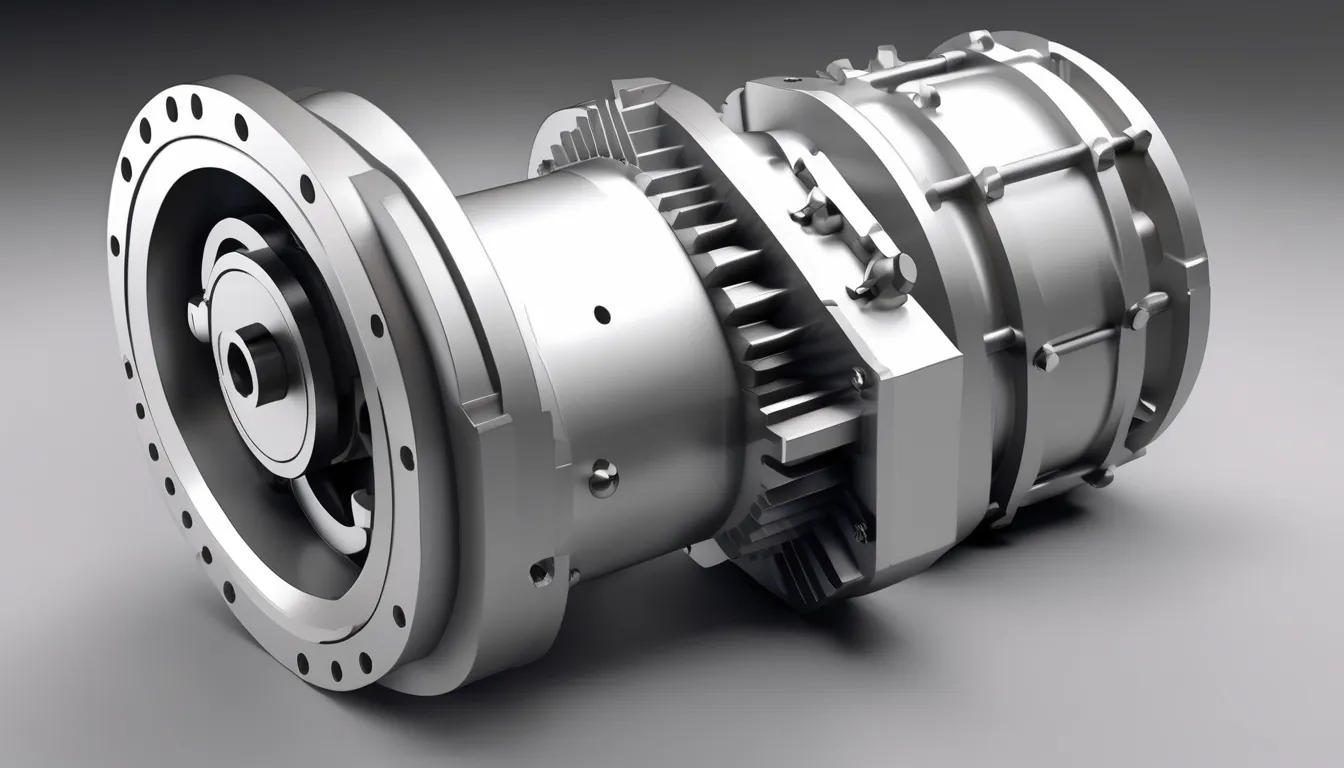
When you consider the role of industrial gearboxes in today’s fast-paced environment, it’s clear that leading manufacturers like Siemens, Flender, and Rexnord are at the forefront of driving efficiency and performance. These companies don’t just produce gearboxes; they innovate with advanced technologies and robust designs tailored to meet diverse industry needs. As you explore how these advancements are reshaping industries from manufacturing to renewable energy, you’ll start to see the significant impact on operational capabilities. What might surprise you, though, is how these innovations are setting the stage for future developments in gearbox technology.
Overview of Industrial Gearboxes
Industrial gearboxes play a crucial role in various applications, transforming input speed and torque to meet specific operational needs. You’ll find these essential components in industries such as manufacturing, automotive, and energy, where they ensure machinery operates efficiently. By adjusting the speed and torque, gearboxes enable equipment to perform optimally under varying load conditions, enhancing productivity.
When you think about industrial gearboxes, consider their design and configuration. They come in various types, including bevel, worm, and planetary gearboxes, each tailored for specific functions. The choice of gearbox affects not just performance but also the lifespan of machinery. High-quality gearboxes reduce wear and tear, minimizing downtime and maintenance costs.
Additionally, you should be aware of the materials used in construction. Durable materials can withstand harsh environments and heavy loads, ensuring reliability.
As technology advances, manufacturers are incorporating innovative features like smart monitoring systems, which allow you to track performance in real time. Understanding these aspects of industrial gearboxes helps you make informed decisions when selecting the right gearbox for your application, ultimately driving efficiency and enhancing operational performance.
Key Players in the Market
The landscape of industrial gearboxes is shaped by several key players that influence both innovation and market dynamics. Understanding who these key players are will help you navigate the industry effectively and make informed decisions.
Here’s a snapshot of some leading manufacturers:
| Manufacturer | Headquarters |
|---|---|
| Siemens | Munich, Germany |
| Flender | Bochum, Germany |
| Rexnord | Milwaukee, USA |
These companies not only dominate the market but also contribute significantly to technological advancements. Siemens, with its global presence, focuses on customization and efficiency. Flender stands out with its specialized solutions for various industries, including mining and energy. Rexnord, known for its reliability, emphasizes robust designs that cater to heavy machinery.
Innovations in Gearbox Technology
Gearbox technology has seen remarkable innovations that enhance efficiency and performance across various industries. One key advancement is the integration of advanced materials, like lightweight composites and high-strength alloys. These materials reduce weight and improve durability, allowing gearboxes to operate under higher loads and temperatures without failure.
Another significant innovation is the development of precision manufacturing techniques, such as additive manufacturing. This method allows for complex geometries that traditional machining can’t achieve, optimizing gear design for performance and efficiency. It also reduces waste and shortens production times, making it easier for manufacturers to respond to market demands.
Smart technology is also transforming gearbox design. By incorporating IoT sensors, you can monitor performance in real-time, detecting issues before they lead to failures. This proactive approach not only extends the life of the gearbox but also minimizes downtime, ultimately boosting productivity.
Moreover, advancements in lubrication technology, including synthetic oils and advanced coatings, reduce friction and wear, enhancing efficiency.
These innovations collectively drive the evolution of gearbox technology, ensuring that you have access to more reliable, efficient, and high-performing solutions for your industrial applications.
Applications Across Various Industries
Across many sectors, the advancements in gearbox technology are making a significant impact. In manufacturing, for instance, gearboxes are crucial for driving conveyor systems and automated machinery, enhancing production efficiency.
You’ll find them in the food and beverage industry, where they help in processing and packaging, ensuring products are handled safely and swiftly.
In the automotive sector, gearboxes are integral to power transmission, optimizing vehicle performance and fuel efficiency.
If you’re involved in construction, you know that heavy machinery relies on robust gearboxes to operate smoothly, whether it’s cranes, excavators, or bulldozers.
Moreover, the renewable energy sector increasingly utilizes gearboxes in wind turbines, converting wind energy into electrical power effectively.
In the mining industry, gearboxes are essential for operating drills and other equipment, ensuring reliable performance in harsh conditions.
You can’t overlook the role of gearboxes in HVAC systems, where they help regulate airflow and temperature efficiently.
With such diverse applications, it’s clear that industrial gearboxes aren’t just components; they’re vital for productivity and innovation across various industries.
Embracing these advancements can significantly enhance your operational efficiency and performance.
Future Trends in Gearbox Manufacturing
Innovative technologies are shaping the future of gearbox manufacturing, promising enhanced efficiency and reliability. As you look ahead, you’ll notice a strong push towards the integration of smart technologies, such as IoT and AI. These advancements allow for real-time monitoring and predictive maintenance, which can significantly reduce downtime and maintenance costs.
You’ll also see manufacturers leaning heavily on advanced materials and additive manufacturing techniques. By utilizing lighter, stronger materials, gearboxes can operate more efficiently, reducing energy consumption and wear over time.
Plus, 3D printing enables customized designs that meet specific application needs without the long lead times.
Another trend you can expect is the increased automation of production processes. Robotics and automation will streamline assembly lines, enhancing precision and reducing human error. This shift not only boosts productivity but also allows for the production of more complex gearbox designs.
Lastly, sustainability is becoming a focal point. As you explore future trends, keep an eye on eco-friendly practices and materials that minimize the environmental impact of gearbox production.
Together, these trends will revolutionize the industry, making gearboxes more efficient, reliable, and sustainable than ever before.
Conclusion
In conclusion, leading industrial gearbox manufacturers like Siemens, Flender, and Rexnord are pivotal in enhancing efficiency across industries. Their focus on customization and innovative technologies, such as IoT integration, ensures that Helical Gearbox es meet the evolving demands of modern applications. As you explore the future of gearbox manufacturing, you’ll see these companies continue to drive performance, reduce downtime, and ultimately support the growth and sustainability of various sectors. Embracing these advancements will benefit your operations significantly.