EPDM Membrane vs Traditional Roofing Why Flat Roofs Benefit the Most
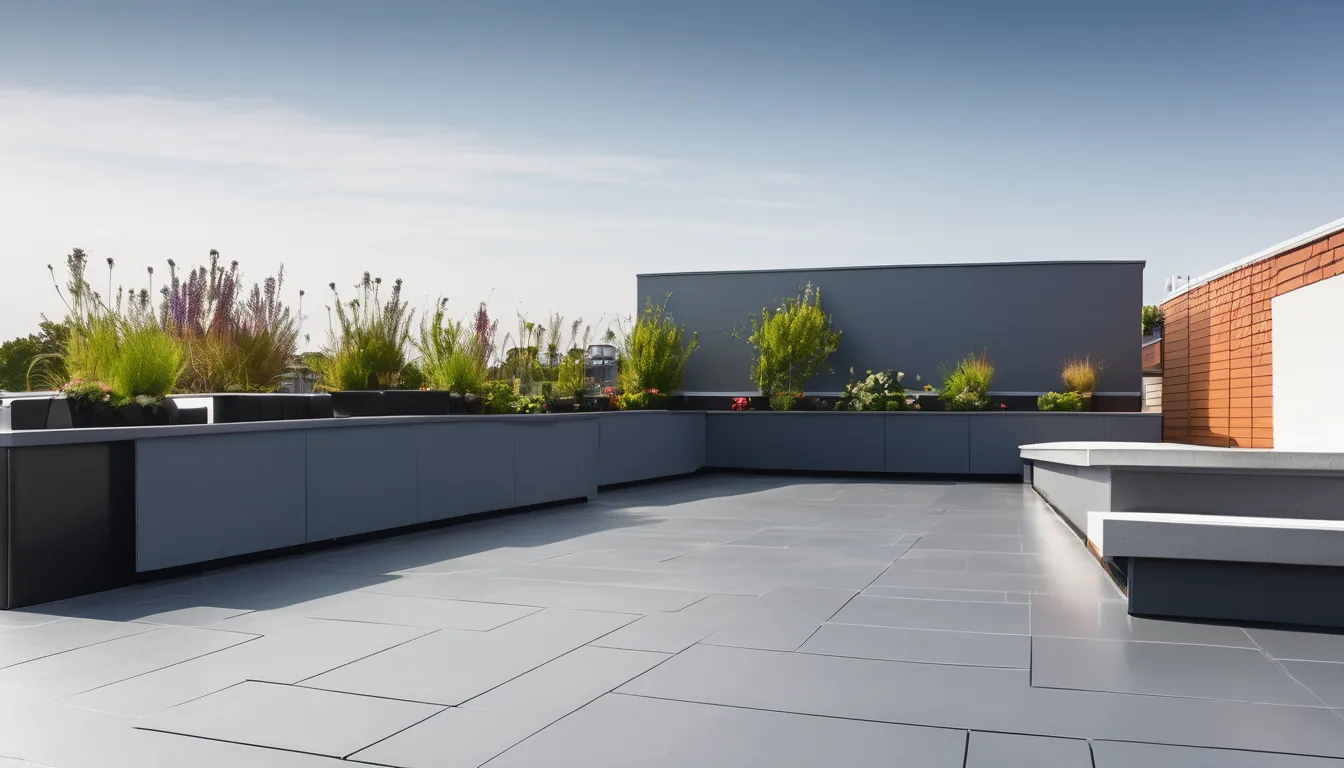
When you’re weighing options for flat roofing, you might notice that EPDM membranes stand out in several key areas compared to traditional roofing materials. Their durability and long lifespan can save you time and money in the long run, especially when you consider the minimal maintenance they require. However, traditional roofing often comes with its own set of challenges, including frequent repairs and a shorter life expectancy. So, what really makes EPDM the superior choice for flat roofs? Let’s explore the details that could influence your decision.
Overview of EPDM Membrane
EPDM membrane is often hailed as a top choice for flat roofing systems due to its durability and weather resistance. This synthetic rubber material offers impressive longevity, often lasting over 30 years with proper maintenance. When you choose EPDM, you’re opting for a roof that can withstand extreme weather conditions, including harsh sunlight, rain, and snow.
Installation is straightforward, making it a popular option among contractors and DIY enthusiasts. You can select between fully adhered, mechanically attached, or ballasted systems, allowing you to customize based on your building’s specific needs.
Plus, EPDM membranes are lightweight, which reduces the structural load on your building.
One of the standout features is its energy efficiency. Many EPDM membranes are available in reflective options, helping to reduce cooling costs during hot months. This can lead to significant savings over time.
Additionally, maintenance is relatively simple; occasional inspections and cleanings can keep your roof in top shape.
With all these benefits, it’s clear why EPDM is a go-to material for those looking to invest in a reliable flat roofing solution.
Features of Traditional Roofing
Traditional liquid roofing ing systems, often made from materials like asphalt shingles, wood, or tile, have been a staple in building design for decades.
These materials offer various features that have made them popular choices for homeowners and builders alike. When considering traditional roofing, you’ll find several key benefits worth noting:
- Aesthetic Variety: You can choose from a wide range of styles, colors, and textures to match your home’s design.
- Cost-Effectiveness: Traditional roofing materials often come at a lower initial cost compared to some modern alternatives.
- Local Availability: These materials are usually readily available, making installation and maintenance easier.
- Easy Repairs: If damage occurs, repairs are generally straightforward and can often be done without specialized skills.
- Energy Efficiency: Certain materials, like tiles, can help reflect sunlight, potentially lowering cooling costs.
While traditional roofing has its advantages, it’s essential to weigh these features against your specific needs and circumstances.
Understanding these aspects will help you make an informed decision about your roofing options.
Durability and Lifespan Comparison
When considering roofing options, durability and lifespan play crucial roles in your decision-making process.
EPDM membrane roofing stands out for its impressive longevity, often lasting 30 years or more with proper maintenance. This synthetic rubber material is resistant to UV rays, ozone, and extreme weather conditions, making it a reliable choice for flat roofs. You can trust that your EPDM roof will withstand harsh elements without significant wear and tear.
On the other hand, traditional roofing materials, like asphalt shingles, typically have a lifespan of 15 to 25 years.
While they may offer aesthetic appeal, they often require more frequent repairs and replacements, especially in areas with severe weather. Over time, this can lead to higher overall costs and more headaches for you as a homeowner.
Installation Process Differences
Understanding the differences in installation processes can significantly impact your choice between EPDM membrane and traditional roofing.
When you’re weighing the two options, it’s essential to know how each material is applied and what that means for your project.
EPDM membranes typically come in large sheets, which allows for quicker installation. You can choose between fully adhering, ballasted, or mechanically attached methods, depending on your building’s needs.
On the other hand, traditional roofing methods like shingles or tiles can require a more labor-intensive process, often involving multiple layers and extensive detailing.
Here’s a quick comparison of the installation processes:
- EPDM: Fewer seams mean less potential for leaks.
- Traditional: Requires more materials and layers for weatherproofing.
- EPDM: Installation can usually be completed in a shorter time frame.
- Traditional: Often involves more complex installation techniques.
- EPDM: Lightweight and easier to manage on-site.
Cost-Effectiveness Analysis
Evaluating the cost-effectiveness of EPDM membranes versus traditional roofing can reveal significant savings over time. While the upfront costs of EPDM may be slightly higher, consider the long-term benefits. EPDM membranes typically last 20-30 years with minimal maintenance, while traditional roofing materials often require more frequent repairs or replacements.
Here’s a quick comparison to illustrate the cost-effectiveness:
| Roofing Type | Average Lifespan | Maintenance Costs | Initial Cost |
|---|---|---|---|
| EPDM Membrane | 20-30 years | Low | Moderate |
| Traditional Roofing | 10-20 years | High | Lower |
Conclusion
In conclusion, when you weigh the benefits of EPDM membranes against traditional roofing, it’s clear that EPDM is the smarter choice for flat roofs. With its impressive durability, longer lifespan, and low maintenance needs, you can save both time and money in the long run. Plus, the lightweight design makes installation a breeze. If you’re looking for a reliable roofing solution, EPDM membranes are definitely worth considering. Your flat roof deserves the best protection available!