Comprehensive Guide to HVAC Installation
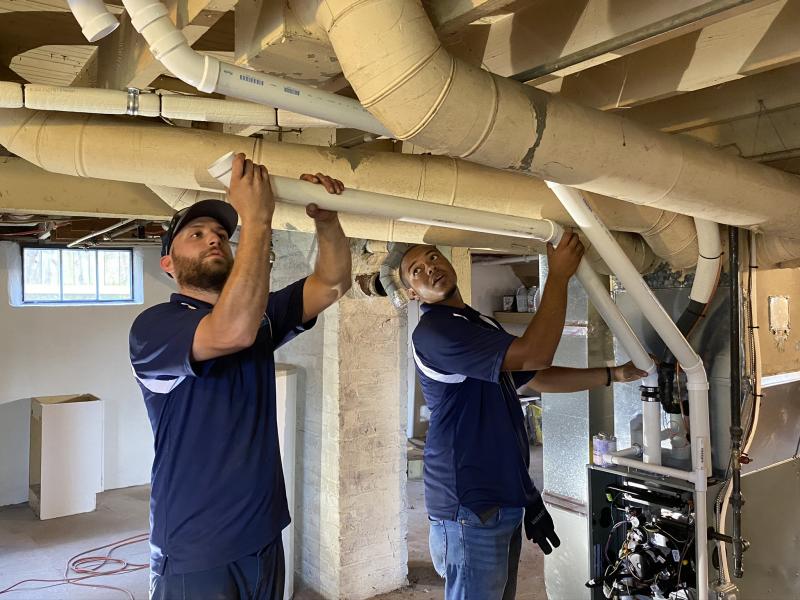
HVAC installation is a critical aspect of ensuring a comfortable and energy-efficient indoor environment. HVAC, which stands for Heating, Ventilation, and Air Conditioning, plays a vital role in regulating indoor temperature, humidity, and air quality. Proper installation is essential to maximize system efficiency, longevity, and performance while minimizing energy costs and the risk of breakdowns.
Understanding HVAC Systems
Before diving into the installation process, it’s important to understand the components of an HVAC system. A typical residential or commercial HVAC system includes the following:
-
Furnace or Heating Unit: This component provides warmth during colder months. Furnaces may operate on gas, electricity, or oil.
-
Air Conditioner or Cooling Unit: This is responsible for cooling indoor spaces during hot weather. Modern units often incorporate energy-efficient technologies to reduce electricity consumption.
-
Ductwork: Ducts distribute conditioned air throughout the building. Properly sealed and insulated ducts are essential for maintaining system efficiency.
-
Thermostat: This controls the temperature settings of the HVAC system. Smart thermostats can optimize energy use based on user habits.
-
Ventilation Components: These include fans, vents, and filters that ensure proper airflow and air quality.
Steps in HVAC Installation
-
Assessment and Planning
The first step in HVAC installation is evaluating the space to determine the heating and cooling load requirements. Professionals use calculations like the Manual J load calculation to estimate the appropriate system size. Selecting the correct system size is critical, as undersized units struggle to maintain comfort, while oversized units lead to energy waste and frequent cycling. -
Selecting the Right Equipment
Once the load assessment is complete, the appropriate HVAC system can be chosen. Factors such as energy efficiency ratings (SEER for cooling, AFUE for heating), system type, and brand reputation are considered. High-efficiency units may have higher upfront costs but provide long-term savings on energy bills. -
Preparing the Installation Site
The installation area must be prepared to accommodate the HVAC system. This may involve removing old equipment, clearing space for ductwork, and ensuring proper electrical connections and gas lines if applicable. For new constructions, planning the location of vents, registers, and utility connections is essential. -
Ductwork Installation
Ductwork is installed or modified to ensure optimal airflow. Properly sealed ducts prevent energy loss and maintain consistent temperatures throughout the building. Insulated ducts help maintain air temperature, reducing the load on the HVAC system. -
Unit Installation
The indoor and outdoor units are installed according to manufacturer guidelines. The furnace or air handler is positioned inside, while the condenser and compressor are typically placed outdoors. Ensuring proper alignment, stability, and clearance around each unit is crucial for performance and safety. -
Connecting Components
Electrical wiring, refrigerant lines, and ventilation ducts are connected to ensure the system operates correctly. HVAC installation requires compliance with local building codes and safety standards. Properly connecting refrigerant lines is particularly important for cooling efficiency and preventing leaks. -
System Testing and Calibration
After installation, the system undergoes thorough testing. Technicians check for proper airflow, temperature differential, refrigerant charge, and thermostat calibration. Any necessary adjustments are made to optimize performance. Proper commissioning ensures the system operates efficiently and reliably. -
Final Inspection and Handover
Once testing is complete, the system is inspected to ensure compliance with safety standards. Homeowners or building managers are briefed on system operation, maintenance requirements, and filter replacement schedules.
Benefits of Professional HVAC Installation
Professional heating and air Knoxville tn offers several advantages. Experts ensure accurate sizing, proper component placement, and compliance with safety standards. A well-installed system enhances comfort, reduces energy costs, and minimizes the risk of premature equipment failure. Additionally, professional installation often preserves warranty coverage, which may be voided if DIY installation is attempted.
Maintenance Considerations Post-Installation
Proper maintenance after installation is vital. Regular filter changes, duct cleaning, and seasonal inspections extend the lifespan of the system and maintain energy efficiency. Many HVAC professionals offer maintenance contracts to keep the system in peak condition.
Conclusion
HVAC installation is more than just placing a unit inside a building. It involves careful planning, precise execution, and thorough testing to ensure optimal performance. By investing in professional installation and ongoing maintenance, homeowners and businesses can enjoy consistent comfort, improved indoor air quality, and significant energy savings. Whether installing a system in a new construction or replacing an old unit, understanding the nuances of HVAC installation helps achieve a safe, efficient, and long-lasting solution.