Breaking Down the Current Valorant Rank Distribution Across All Tiers
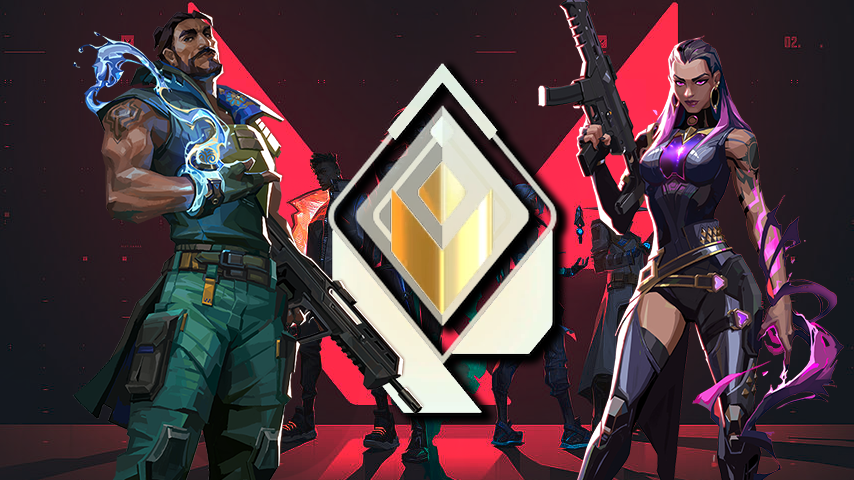
As you glance across the diverse landscape of Valorant ranks, from Iron to Diamond, you may find yourself intrigued by the intricate patterns that emerge. The distribution of players across these tiers offers a glimpse into the competitive ecosystem, shedding light on the challenges and triumphs that define each level of play. Understanding these nuances can provide valuable insights into your own journey through the ranks, offering a roadmap to navigate the complexities of Valorant’s competitive arena. Each tier holds its own secrets and strategies waiting to be unraveled, beckoning you to explore further.
Overview of Rank Tiers
When delving into the world of Valorant rank distribution rank distribution, understanding the overview of rank tiers is important for successfully maneuvering the competitive landscape. Valorant features a total of seven rank tiers, starting from Iron and progressively moving up through Bronze, Silver, Gold, Platinum, Diamond, and finally, Radiant. Each tier represents a different skill level and serves as a marker of your progress within the game’s ranked system.
Iron tier is where beginners typically start, while Radiant is the pinnacle of achievement, reserved for only the most elite players. Moving up through the ranks requires dedication, skill improvement, and consistent performance. As you climb the ranks, you’ll face tougher opponents and more challenging matches, pushing you to enhance your gameplay and strategizing abilities.
Understanding the characteristics and requirements of each rank tier is essential for setting realistic goals and tracking your progress in Valorant. Whether you’re aiming to reach the upper echelons of Radiant or simply looking to improve your skills in Gold or Platinum, knowing the ins and outs of each tier will guide your journey through the competitive ranks.
Distribution Statistics by Tier
The distribution statistics by tier in Valorant provide valuable insights into the player base’s skill levels across the various ranks. Understanding these statistics can help you gauge where you stand in the game’s competitive landscape.
At the lowest tier, Iron, around 3% of players reside, making it the starting point for many. Moving up to Bronze, you’ll find approximately 13% of players, showing progression from the entry-level. Silver boasts a larger population at around 25%, indicating a significant player base in this skill bracket. Gold sees a slight decrease with roughly 22% of players, showcasing a more competitive environment.
Platinum and Diamond tiers house about 17% and 10% of players, respectively, demonstrating the increasing difficulty in climbing the ranks. Finally, the top tiers of Immortal and Radiant are home to a mere 5% and less than 1% of players, highlighting the elite skill levels required to reach these prestigious ranks.
Trends in Rank Movement
Amidst the dynamic Valorant competitive landscape, rank movement trends serve as an essential indicator of player progression and skill development. Tracking your rank movement can offer valuable insights into your performance and highlight areas for improvement. Observing upward trends in your rank signifies consistent gameplay improvement, strategic development, and an enhanced understanding of game mechanics.
On the other hand, a stagnant or downward trend may suggest a plateau in skill advancement, potential gaps in knowledge, or the need to refine your gameplay strategies. Recognizing these trends allows you to set specific goals, focus on skill areas that need enhancement, and work towards climbing the ranks.
Regularly analyzing your rank movement trends can also help you track your consistency, adaptability to different game situations, and overall performance trajectory. By identifying patterns in your rank movement, you can tailor your practice sessions, seek feedback from higher-ranked players, and make informed decisions to elevate your gameplay and climb the competitive ladder in Valorant.
Challenges Across Different Tiers
Traversing the competitive terrain of Valorant presents unique challenges across different tiers. In lower ranks like Iron and Bronze, players often struggle with basic mechanics such as crosshair placement and map awareness. These tiers can be characterized by inconsistent gameplay and a lack of teamwork, making it difficult to secure wins without individual carry performances.
As you climb to Silver and Gold, the challenges shift towards refining game sense and communication. Players in these tiers need to focus on coordinating strategies with their team, understanding agent abilities, and making quick decisions during intense rounds.
Moving up to Platinum and Diamond ranks, the competition becomes notably tougher. Here, players face opponents with sharper aim, advanced tactics, and better positioning. Climbing through these tiers requires a deep understanding of the game’s mechanics, precise aim, and the ability to adapt to different playstyles quickly.
Strategies for Climbing Ranks
Scaling the competitive ladder in Valorant demands strategic finesse and adaptability. To climb the ranks effectively, focus on improving your individual skills and game sense. Practice consistently to refine your aim, movement, and agent abilities. Additionally, communication is key in Valorant. Use voice chat to coordinate with your team, call out enemy positions, and strategize effectively. Remember, teamwork can make or break a match.
Furthermore, understanding map control and positioning is pivotal. Learn the callouts for each map and practice holding different angles to catch opponents off guard.
Flexibility is also essential. Be willing to adjust your playstyle based on your team composition and the enemy’s strategies.
Lastly, maintain a positive mindset. Accept losses as opportunities to learn and improve. Avoid tilting or blaming others, as this can hinder your progress. Stay focused, stay positive, and keep honing your skills to steadily climb the ranks in Valorant.
Frequently Asked Questions
What Is the Average Number of Hours Played per Rank Tier?
On average, you’ll find that players invest varying hours into each Valorant rank tier. The time spent can range from a few hours to hundreds, depending on your skill level and dedication.
How Do Different Regions’ Rank Distributions Compare?
In Valorant, different regions’ rank distributions vary due to player skill levels and population sizes. Comparing these distributions can provide insights into regional gameplay trends and competitive landscapes, influencing strategies and competitive approaches.
Are Certain Agents More Popular in Higher Ranks?
In higher ranks, some agents stand out as more popular choices due to their versatile abilities and strategic impact. Players often gravitate towards agents like Jett, Reyna, and Omen for their strong individual playmaking capabilities and team utility.
Do Solo Queue Players Rank Differently From Those in Groups?
When you solo queue, your rank may differ from grouped players due to team coordination and communication. Solo players rely solely on individual skill, while groups benefit from strategizing together for a collective advantage in matches.
What Impact Does Ping and Hardware Have on Rank Progression?
Ping and hardware greatly impact rank progression. Lower ping guarantees quicker reactions, while improved hardware provides smoother gameplay. Upgrading these can enhance performance, aiding in climbing ranks faster. Stay mindful of these factors for peak gaming experience.
Conclusion
To sum up, grasping the current rank distribution across all tiers in Valorant is essential for establishing realistic goals and tracking progress in the competitive scene. By examining the statistics and trends in rank movement, players can pinpoint challenges and formulate strategies to ascend the ranks. With commitment, practice, and a strategic mindset, anyone can work towards reaching higher tiers and enhancing their skills in this popular tactical shooter. Best of luck on your journey to the top!