Axis Spine Injuries Prevention and Recovery Tips for a Pain Free Life
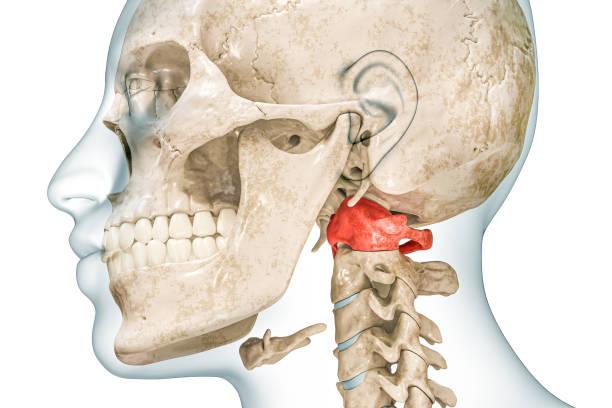
The spine is often referred to as the body’s support system, and for a good reason. Every move, every twist of the head, and every step we take depends on the health and stability of our spine. Among the many parts of the spine, the axis—also known as the second cervical vertebra (C2)—plays a critical role. It’s responsible for enabling the rotation of the head and allowing the neck to support and move with ease. However, because of its crucial function, an injury to the axis spine can cause severe consequences, ranging from chronic neck pain to limited mobility, and in some cases, even paralysis.
Axis spine injuries are serious and can happen as a result of accidents, sports activities, falls, or even degenerative conditions. But, like many spine-related injuries, they don’t have to define your life. By understanding how these injuries occur, knowing how to prevent them, and following a recovery plan, you can keep your spine healthy and functioning at its best.
What is the Axis Spine and Why Does It Matter?
The axis (C2) is the second vertebra in the cervical spine and sits right below the atlas (C1), which supports the skull. Together, these two vertebrae allow the head to turn from side to side. The axis has a peg-like structure called the odontoid process, or "dens," which fits into the atlas, creating a joint that allows your neck to rotate. This makes the axis spine crucial for proper neck function.
When an injury occurs to this part of the spine, it can limit the movement of the head and neck, often resulting in severe pain, numbness, or even neurological problems. Because of the axis's role in spinal alignment and movement, any injury to this area needs immediate attention to prevent further damage.
Common Causes of Axis Spine Injuries
Traumatic Accidents
: Car accidents, sports injuries, or falls are some of the leading causes of axis spine injuries. A sudden impact can cause fractures, dislocations, or soft tissue damage to the cervical spine.
Whiplash Injuries
: Often associated with rear-end car collisions, whiplash occurs when the head is jerked suddenly in one direction and then whipped back. This rapid movement can strain the muscles and ligaments in the neck and sometimes cause injuries to the axis.
Degenerative Diseases
: Conditions like osteoarthritis and degenerative disc disease can also affect the axis spine. Over time, the wear and tear on the spine can weaken the vertebrae, making them more susceptible to injury.
Sports-Related Injuries
: Athletes who participate in contact sports such as football, rugby, or wrestling are particularly at risk for axis injuries. High-impact sports can cause significant stress on the neck, leading to strains, sprains, or fractures of the axis.
Falls
: A simple fall can lead to serious injuries, particularly in older adults. If the head or neck strikes the ground in a particular way, it can lead to trauma to the axis spine.
Prevention: How to Protect Your Axis Spine
While you can't prevent every accident or injury, there are steps you can take to significantly reduce the risk of an axis spine injury. Prevention starts with awareness and the right precautions.
Wear Proper Safety Gear
If you're participating in high-impact sports or activities, always wear the necessary safety gear. For instance, helmets are essential for athletes in contact sports like football, cycling, and hockey. Helmets protect not just the head but also help reduce the risk of neck injuries.
Practice Good Posture
Proper posture is key to maintaining a healthy spine. Slouching or hunching over can place unnecessary stress on the spine, including the axis. Ensure that you sit upright with your back straight and shoulders back, especially when working at a desk or looking at a screen for extended periods.
Strengthen Neck Muscles
Building up the muscles around your neck and shoulders can provide additional support to your spine. Simple exercises, such as neck stretches, shoulder shrugs, and resistance training, can help keep your muscles strong and reduce the likelihood of injuries.
Drive Safely
In the event of an accident, the force of the impact on your neck can lead to axis spine injuries. Wearing a seatbelt properly, adjusting the headrest of your car seat to a safe height, and maintaining a safe driving speed can help reduce your risk.
Avoid Sudden Movements
Quick or jerky movements, especially when lifting heavy objects or turning your head suddenly, can put unnecessary strain on your neck. If you're engaging in activities that require rapid neck movements, always be cautious and avoid overstretching or twisting your neck too fast.
Maintain a Healthy Weight
Extra weight, especially around the neck and shoulders, can put added pressure on the spine. Maintaining a healthy weight through a balanced diet and regular exercise can help alleviate unnecessary strain on your body.
Recovery: Steps to Take if You Experience an Axis Spine Injury
If you’ve experienced an axis spine injury or are dealing with neck pain, it’s crucial to seek professional medical care immediately. While some injuries may only require rest and conservative treatment, others may require more advanced medical interventions, including surgery. Here’s how to navigate the recovery process:
Seek Immediate Medical Attention
Any injury to the spine should be treated with urgency. If you experience pain, numbness, or loss of mobility after a fall, car accident, or sports injury, it’s essential to visit a healthcare professional immediately. Early diagnosis and treatment can help prevent further damage.
Rest and Limit Movement
After an injury, it’s important to give your spine time to heal. Resting and avoiding activities that strain the neck or head can prevent exacerbating the injury. Your doctor may recommend wearing a neck brace or collar to stabilize the area and limit movement during the healing process.
Physical Therapy
Once the acute phase of healing has passed, physical therapy can be highly beneficial. A physical therapist will guide you through exercises and stretches to
regain strength, flexibility, and range of motion in the neck. This can help restore normal function and prevent future injuries.
Pain Management
Pain relief is an important part of recovery. Over-the-counter medications such as ibuprofen or acetaminophen can help manage discomfort. In some cases, stronger medications or injections may be prescribed to reduce inflammation and alleviate severe pain.
Surgical Intervention
In some cases, surgery may be necessary if the injury to the axis spine is severe. This could involve spinal fusion, in which two or more vertebrae are fused together to stabilize the area. However, surgery is usually considered a last resort when all other treatments have been unsuccessful.
Conclusion: Taking Care of Your Axis Spine for a Healthy Future
The axis spine plays an essential role in the way we move and function daily. Injuries to this part of the body can cause significant discomfort and limitations, but with the right preventive measures and treatment options, you can protect and recover your spine for a pain-free life. Remember to maintain a healthy lifestyle, use proper safety gear, and be mindful of your body’s movements to reduce the risk of injury.
If an injury does occur, don't hesitate to reach out to a healthcare professional for a personalized recovery plan. With the right care, guidance, and treatment, your spine can heal and return to full function, allowing you to continue living an active, pain-free life.