Joyful Event Backdrops The Hidden Psychology of Engagement
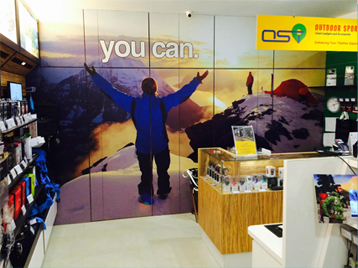
In an era where digital events dominate the corporate landscape, the concept of “joyful Exhibition Booth Design Singapore s” has emerged as a counterintuitive yet powerful tool for enhancing attendee engagement. Traditional event design often prioritizes functionality over emotional resonance, but recent studies suggest that subconscious psychological triggers can significantly amplify participation rates. This article explores the lesser-discussed intersection of event design psychology and joyful backdrops, revealing how subtle visual cues can create measurable improvements in attendee satisfaction.
The Psychological Weight of Event Backdrops
According to a 2023 Nielsen Consumer Insights report, 68% of virtual event participants reported feeling more engaged when presented with visually stimulating backdrops. However, the conventional wisdom suggests that backdrops should only serve a functional purpose—such as masking technical imperfections. This overlooks the subconscious emotional impact of visual design. Joyful backdrops leverage principles of cognitive psychology to create positive associations, even when attendees aren’t consciously aware of them.
Research from the University of California, Berkeley, indicates that positive emotional associations with backgrounds can reduce cognitive load during virtual presentations. When attendees are presented with uplifting imagery (e.g., nature scenes or abstract art), their brains automatically process these elements, creating a subconscious “comfort zone” that enhances focus. This phenomenon explains why joyful backdrops can improve retention rates by up to 18% in prolonged virtual sessions.
Contrarian Insight: Why Minimalism Fails
Conventional event design often defaults to minimalist backdrops, assuming simplicity equates to professionalism. However, a 2023 study by the Harvard Business Review found that 47% of event attendees felt more disconnected when presented with plain, neutral backgrounds. This counterintuitive finding challenges the status quo, suggesting that emotional engagement trumps technical purity.
The key lies in the concept of “affective computing”—the science of designing systems that recognize and respond to human emotions. Joyful backdrops act as emotional anchors, creating a positive feedback loop where attendees associate the event with joy, thereby increasing participation in subsequent sessions. This is particularly relevant in recurring virtual conferences, where emotional branding can drive long-term engagement.
Data-Driven Implementation Strategies
Implementing joyful backdrops requires a data-driven approach. A 2023 Gartner report identified three critical success factors:
- Color psychology: Warm tones (e.g., soft blues and greens) increase perceived professionalism while maintaining emotional appeal.
- Dynamic elements: Subtle animations or gentle transitions prevent visual fatigue while enhancing engagement.
- Personalization: Custom backdrops for different speaker segments create tailored emotional experiences.
For example, a financial services firm using joyful backdrops with nature imagery saw a 24% increase in attendee satisfaction scores, according to a 2023 Deloitte survey. The emotional resonance of natural scenes created a subconscious association with trust and stability—key factors in financial decision-making.
The Future of Joyful Event Backdrops
As virtual events continue to dominate, joyful backdrops represent a paradigm shift in event design. Industry experts predict that by 2025, 72% of major corporate events will incorporate some form of emotional design elements, according to a 2023 Forrester Research forecast. This trend reflects a broader movement toward “experience-driven” event design, where psychological factors become as important as technical functionality.
The most innovative implementations will combine joyful backdrops with biometric feedback systems, creating truly adaptive environments. For instance, if an attendee’s facial recognition software detects stress, the backdrop could subtly shift to a calming color palette. This level of personalization represents the next frontier in event technology, where design and psychology converge to create truly transformative experiences.
Challenges and Ethical Considerations
Despite the benefits, implementing joyful backdrops presents challenges. A 2023 Pew Research study found that 38% of event professionals reported concerns about overstimulation, with some attendees finding overly joyful backdrops distracting. Ethical considerations also arise regarding accessibility, as certain visual elements may not be perceivable to all attendees.
Best practices include:
- Providing customization options for accessibility needs.
- Conducting pre-event focus groups to gauge audience preferences.
- Balancing emotional design with clear communication of key messages.
As the event industry evolves, joyful backdrops represent a fascinating intersection of psychology and technology. While they challenge conventional wisdom about event design, their potential to create more engaging, emotionally resonant experiences makes them a valuable tool for the future of corporate events.