Generative AI in Gaming: Building Dynamic Worlds That Never Repeat
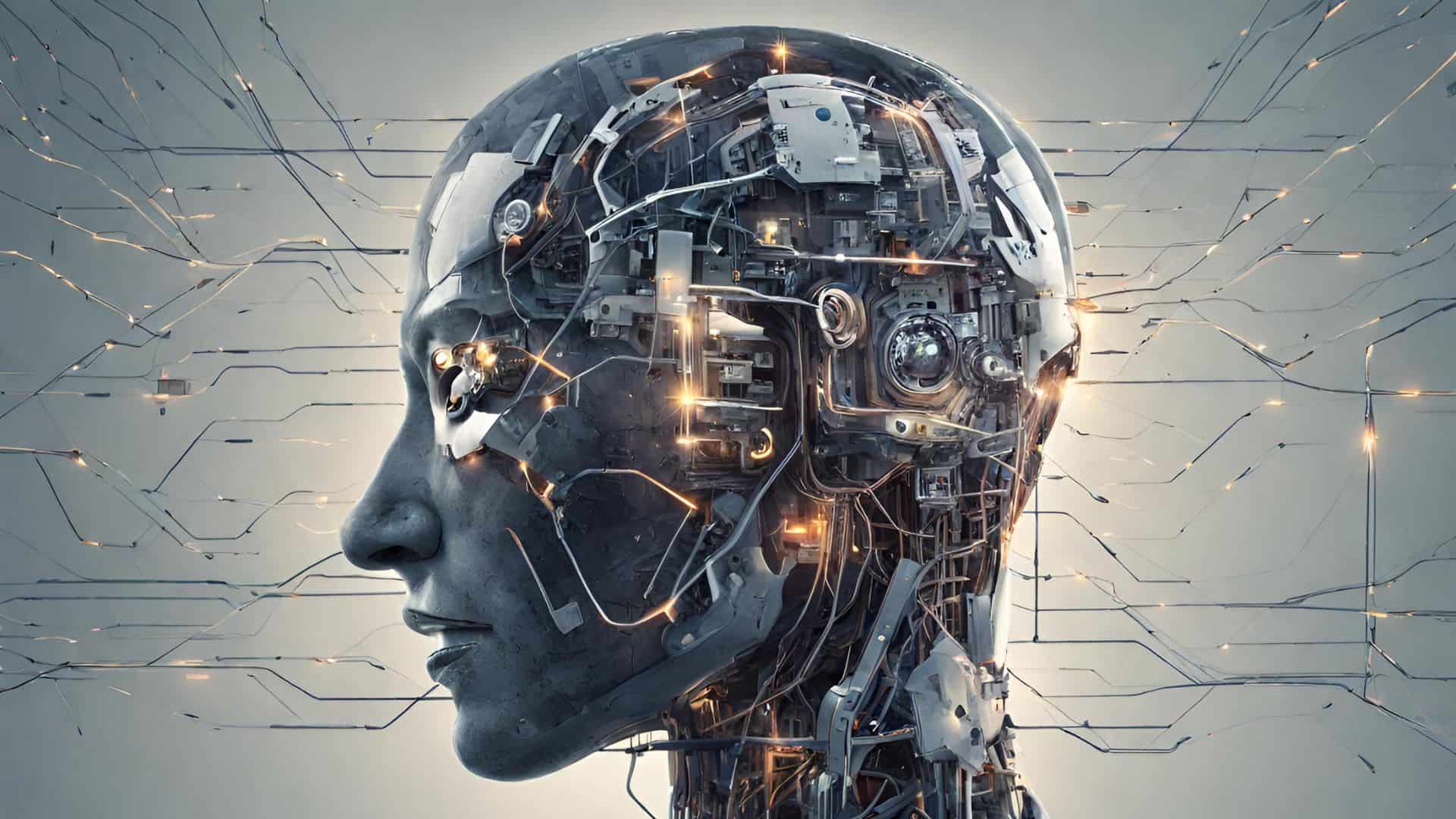
In the early days of video games, worlds were like carefully crafted paintings. Every rock, village, and mountain was placed by human hands. Beautiful, yes, but fixed. Today, something new is happening. Think of a loom weaving worlds thread by thread, reacting to the touch of the player. This is generative AI in gaming: a storyteller who whispers new possibilities every time you wander into a forest, speak to a stranger, or open a door. Instead of a stage that stays still, the world becomes alive, breathing and changing with every decision you make.
The canvas that reshapes itself
Generative AI allows game environments to evolve in real time. Imagine entering a valley in a fantasy role-playing game. Instead of seeing the same river path as every other player, your river bends differently, the trees sway in unique patterns, and a storm might roll in because of something you did two hours earlier. The world is not pre-written. It is responding to you.
This approach goes beyond procedural generation. Traditional procedural generation repeats patterns, only disguised by randomness. Generative AI learns context and creates meaning. The player is not walking through patterns, but through intention. The environment feels handcrafted yet endlessly new.
Characters who remember, react, and reveal their layers
Non-player characters used to feel like vending machines of dialogue. You press a button, you get a line. Then the character resets. With generative AI, they start to feel more like people. They remember previous conversations, show emotion that fits the moment, and react to the player’s behavior with nuance.
Players studying advanced game design often explore this through specialized programs like the generative ai course in Pune, which helps learners understand how machine learning models shape believable dialogue and personality. These NPCs can form alliances, hold grudges, or change storylines based on micro-interactions. They are no longer passive set pieces. They become participants in the game’s unfolding drama.
Stories that write themselves as you play
In many games today, the story is a single road with a few small detours. You reach the same ending no matter how you get there. Generative AI can rewrite the script in real time, ensuring that no two players experience the same narrative path.
Consider a mystery game where clues, suspects, and motives shift based on your choices. Or a colony simulation where politics and culture evolve as your community grows. The story is no longer fixed. It becomes a river, branching and merging in response to every ripple you create.
Even multiplayer gaming changes. Instead of static maps or repetitive battles, generative systems introduce fresh scenarios, adaptive challenges, and environments that react to group dynamics. Players don’t just consume the story; they co-create it with the machine.
The puzzle of coherence: challenges and boundaries
Infinite possibilities sound glorious, but they come with challenges. Creativity without structure can lead to chaos. If everything keeps changing, how does the game maintain identity and emotional impact?
This is why training in narrative logic, world consistency, and machine learning model constraints matters. Programs like the generative ai course in Pune often emphasize balancing randomness with meaning. Developers must teach AI how to understand tone, pacing, culture, and character arcs.
There are also technical hurdles. Generating content in real time requires substantial processing power. Ensuring emotional coherence of characters demands careful tuning. And ethical considerations emerge when AI begins shaping emotional experiences at scale. Should an AI decide how a player feels? How do we safeguard against unintended psychological manipulation?
The future: a partnership between dreamers and machines
Generative AI in gaming is not replacing human creativity. It is amplifying it. The designer becomes a gardener, planting seeds that can grow into thousands of unique forms. The writer becomes a composer of emotional rules rather than fixed lines of dialogue. The player becomes co-author of their own adventure.
We may soon play games that last years, where worlds mature like ecosystems, where characters age and remember, where every choice leaves a real mark. The boundary between imagination and interaction begins to dissolve.
Conclusion
Gaming has always been about escape, exploration, and identity. Generative AI deepens these experiences by transforming games from static objects into evolving worlds. No longer must players travel the same trails others have walked. Instead, each journey becomes a personal story, a private universe spun from their decisions.
As the technology matures, players will not just play games. They will live in them. And the world will live back.